
Beginner's guide: starting your first tower
From box to first harvest in a few clear steps: assembly, germination, mixing the solution, and a weekly routine that takes just a few minutes.
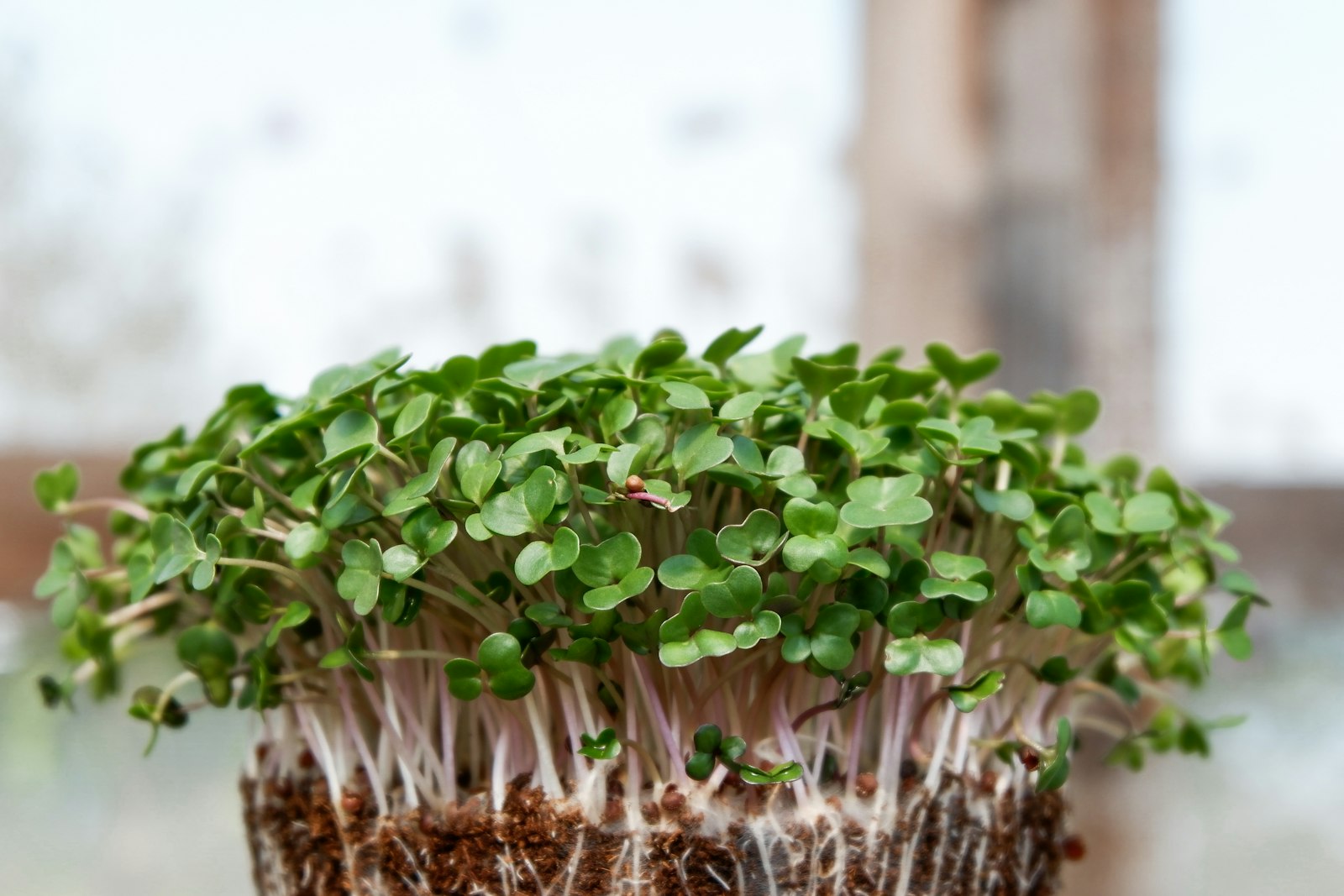
Your first tower feels like a big step, but it's really one afternoon of assembly and a few minutes of care a week. This guide takes you from the box to your first harvest, step by step.
Before you start: what you need
Getting your first hydroponic tower going takes surprisingly little:
- A hydroponic tower with a pump and reservoir (dojdi towers come in 50, 100, 150 and 200 cm versions).
- Seeds or seedlings - start with something forgiving (more below).
- A germination medium - rockwool cubes, sponge plugs, or expanded clay.
- Liquid nutrient - a ready-made dojdi mix for salads, herbs, or universal.
- A pH kit and EC meter - cheap handheld meters are perfectly fine to begin with.
- A light source - a south-facing window or LED lighting if you grow indoors.
Step 1: Choose a location
The tower needs light, a level surface, and a socket for the pump. The ideal spot gets 6 hours of direct sun or has LED lighting. Watch for draughts and extremes: a balcony that turns into an oven in summer isn't ideal, because warm solution loses oxygen. Aim for an air temperature of 18 - 24 °C.
Step 2: Sow the seeds (germination)
You don't sow directly into the tower, but into a small medium until the seedling is strong enough.
- Moisten a rockwool cube or sponge with clean water (no nutrients in the first days).
- Place 1 - 2 seeds in the hole.
- Keep it warm (18 - 22 °C) and moist, out of strong sun.
- Sprouts appear in 3 - 10 days, depending on the plant.
Once the seedling has its first true leaves and visible little roots, it's ready for the tower. For details, see the Germination and transplanting guide.
Step 3: Mix the nutrient solution
This is where many people overdo it - less is more.
- Fill the reservoir with rested or filtered water. If you use tap water, let it stand for a few hours so chlorine evaporates. More in the Water quality guide.
- Add the liquid nutrient per the bottle's instructions. For salads aim for EC 1.2 - 1.6 mS/cm, for herbs 1.0 - 1.6 mS/cm.
- Measure and adjust the pH to 5.5 - 6.5 (salads like 5.5 - 6.0).
- Only then transplant the seedlings into the tower's net pots.
Tip: young seedlings get a half-strength solution for the first few days. The full meal starts once the roots reach the flowing water.
Step 4: Switch on and set the rhythm
Turn on the pump. In most home towers the pump runs in intervals - e.g. 15 minutes on, 15 minutes off - or continuously in smaller systems. The goal is for the roots to stay constantly moist while still having access to air.
Weekly maintenance routine
The whole "care" comes down to a quick weekly check:
| Task | Frequency | Target |
|---|---|---|
| Top up water | As needed (2 - 4 days) | Reservoir never below half |
| Check pH | 2 - 3 times a week | 5.5 - 6.5 |
| Check EC | 1 - 2 times a week | Per the plant |
| Full solution change | Every 2 - 3 weeks | Fresh nutrients |
| Clean pump and tubes | Every 3 - 4 weeks | No algae or buildup |
As water evaporates, EC rises and the level drops - that's why you top up with clean water. When the EC drifts or the solution turns cloudy, do a full change. To fight the green slime, see Cleaning and algae.
What to plant first
For beginners we recommend fast, tolerant plants:
- Lettuce and leafy greens (lamb's lettuce, rocket, kale) - the classic first choice, see Growing lettuce.
- Herbs (basil, parsley, chives) - fast and useful, see Herbs.
- Strawberries - a touch more patience, but rewarding, see Strawberries and berries.
Skip large fruiting plants (tomato, pepper) at first - they need more light, a stronger solution, and support. An overview of the easiest plants is in Best plants for beginners.
The most common beginner mistakes
- Too strong a solution - "more nutrients = faster growth" is a myth; too high an EC burns the roots.
- Ignoring pH - even a perfect solution is useless if the plant can't absorb the food.
- Too little light - leggy, pale plants are a sign to move closer to the window or use a stronger LED.
- Warm, stagnant water - above 24 °C the solution loses oxygen and the roots turn brown.
If problems show up, first check Nutrient deficiencies and Pests and diseases.
Light: the invisible ingredient
Nutrients and water are half the story - light is the other half. Through photosynthesis the plant turns light into energy for growth, so without enough of it even the most perfect solution won't help. Leafy greens need 12 - 14 hours of light a day, fruiting plants up to 16. Signs of too little light are leggy, pale shoots and wide gaps between the leaves.
If you have a bright south-facing window, you'll manage without extra lighting in summer. In winter, or in rooms without enough sun, LED steps in. dojdi towers are also available with built-in LED lighting, so they work regardless of the season. For details, see the LED lighting guide and Growing without natural light.
From transplant to first harvest: what to expect
To give you a realistic picture, here's a rough timeline for lettuce - the most rewarding beginner plant:
| Week | What happens | Your task |
|---|---|---|
| 0 | Sowing into the medium | Keep moist and warm |
| 1 - 2 | Germination and first leaves | Gentle light, no nutrients |
| 2 - 3 | Transplant into the tower | Half-strength solution |
| 3 - 5 | Rapid leaf growth | Full solution, watch pH/EC |
| 5 - 7 | Harvest outer leaves | "Cut-and-come-again" |
Many salads are harvested "cut-and-come-again" - you pick the outer leaves while the centre keeps growing, so the same plant produces for weeks. Herbs like basil enjoy regular pinching of the tips, which makes them bushier.
A short equipment list and rough budget
For a realistic start, count on the following (prices are indicative):
- Tower with pump - the heart of the system; dojdi versions from 50 to 200 cm.
- Liquid nutrient - one bottle lasts several cycles; around 10 - 20 EUR.
- pH kit (drops or meter) and EC meter - handheld models from 15 - 30 EUR.
- Germination medium - rockwool or sponges, a few euros for dozens of sowings.
- Seeds - cheap; one packet lasts seasons.
The biggest cost is one-off (tower and meters), while nutrients and seeds are small recurring expenses. Browse the towers and mixes in the shop.
Key takeaways
- You need a tower, seeds, a medium, liquid nutrient, and pH/EC meters - plus light.
- Germinate separately; transplant only once the plant has true leaves and roots.
- Aim for pH 5.5 - 6.5, EC 1.2 - 1.6 mS/cm for salads, and water at 18 - 22 °C.
- The weekly routine is a few minutes: top up, check pH/EC, full change every 2 - 3 weeks.
- Start with lettuce or herbs; avoid an over-strong solution and too little light.
Related articles
 📘 Hydroponics basics
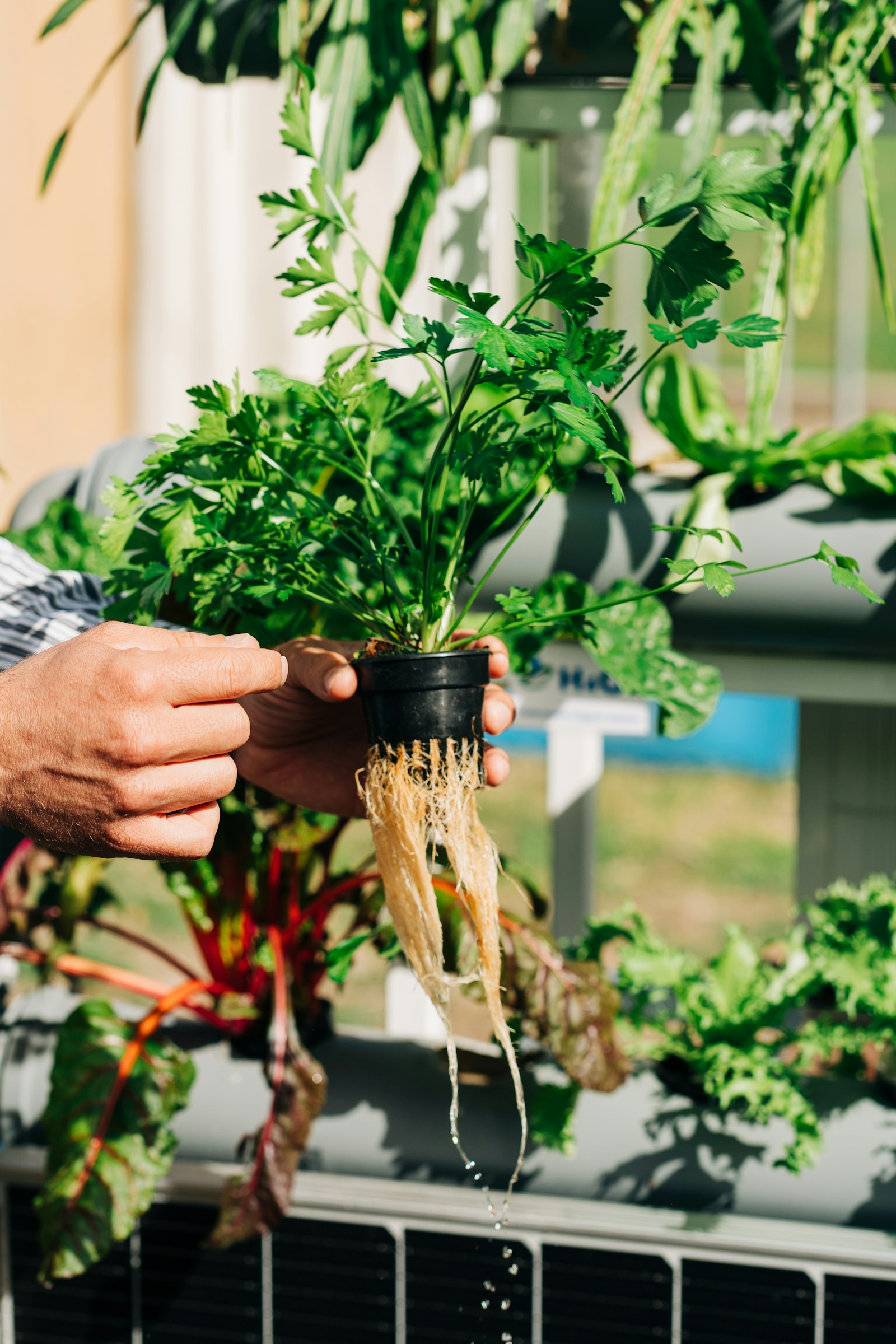
What is hydroponics and how it works
Soil-free growing sounds futuristic, but it comes down to three simple things: water, nutrients, and oxygen. Here's how hydroponics works and why it grows faster.
 📘 Hydroponics basics
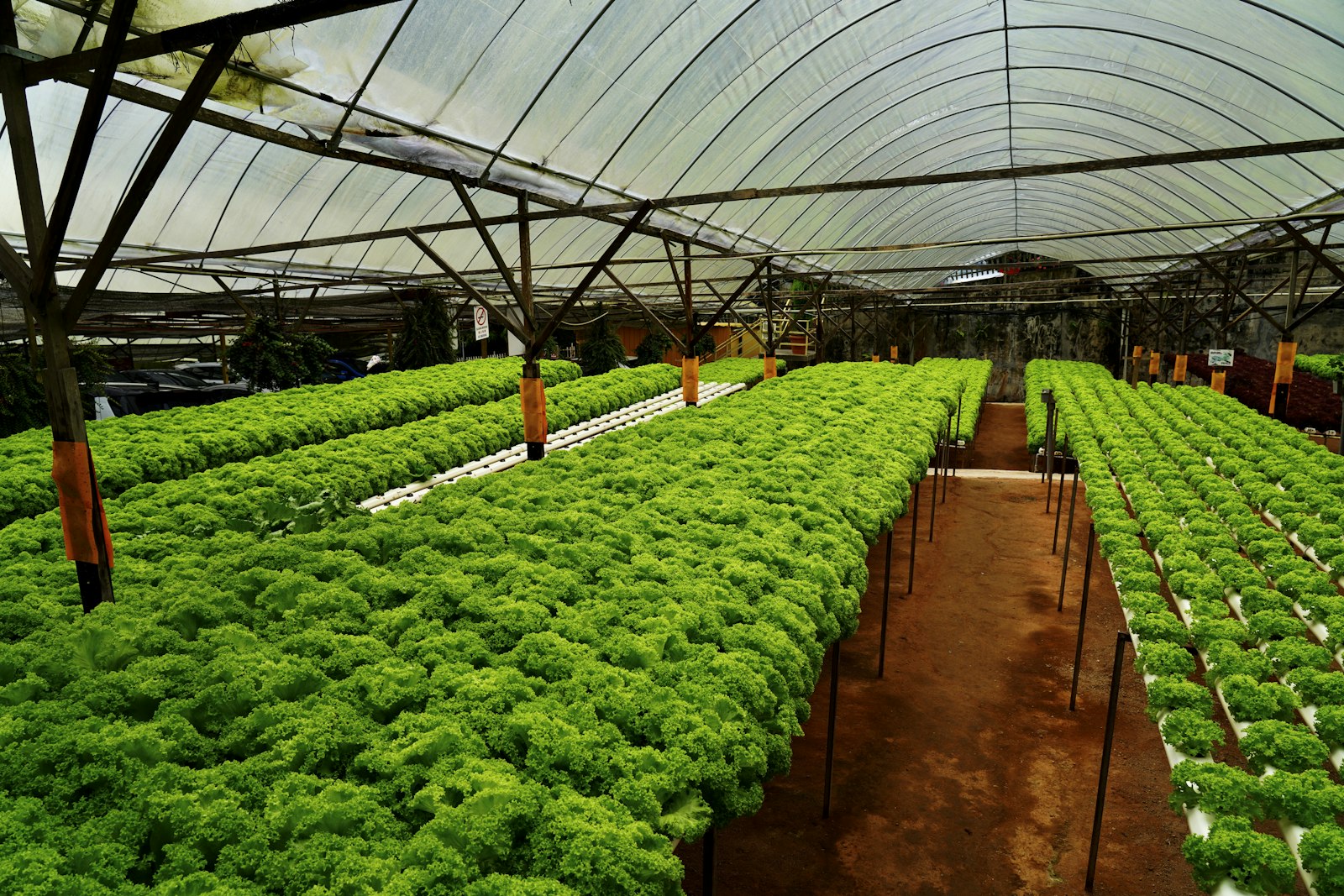
Types of hydroponic systems (NFT, DWC, aeroponics, vertical towers)
NFT, DWC, aeroponics, and vertical towers - each delivers water, nutrients, and oxygen its own way. A comparison of pros, cons, and which to pick for the home.
 📘 Hydroponics basics
Hydroponics vs. soil growing
Faster growth and less water versus forgiving, cheap soil. An honest comparison of pros and cons, plus the flavour and health myth.