
Herbs in hydroponics (basil, parsley, mint…)
Fresh basil, parsley and mint within arm's reach, all year round. We cover germination, EC and pH per herb, pinching for bushiness, and a harvest that returns week after week.
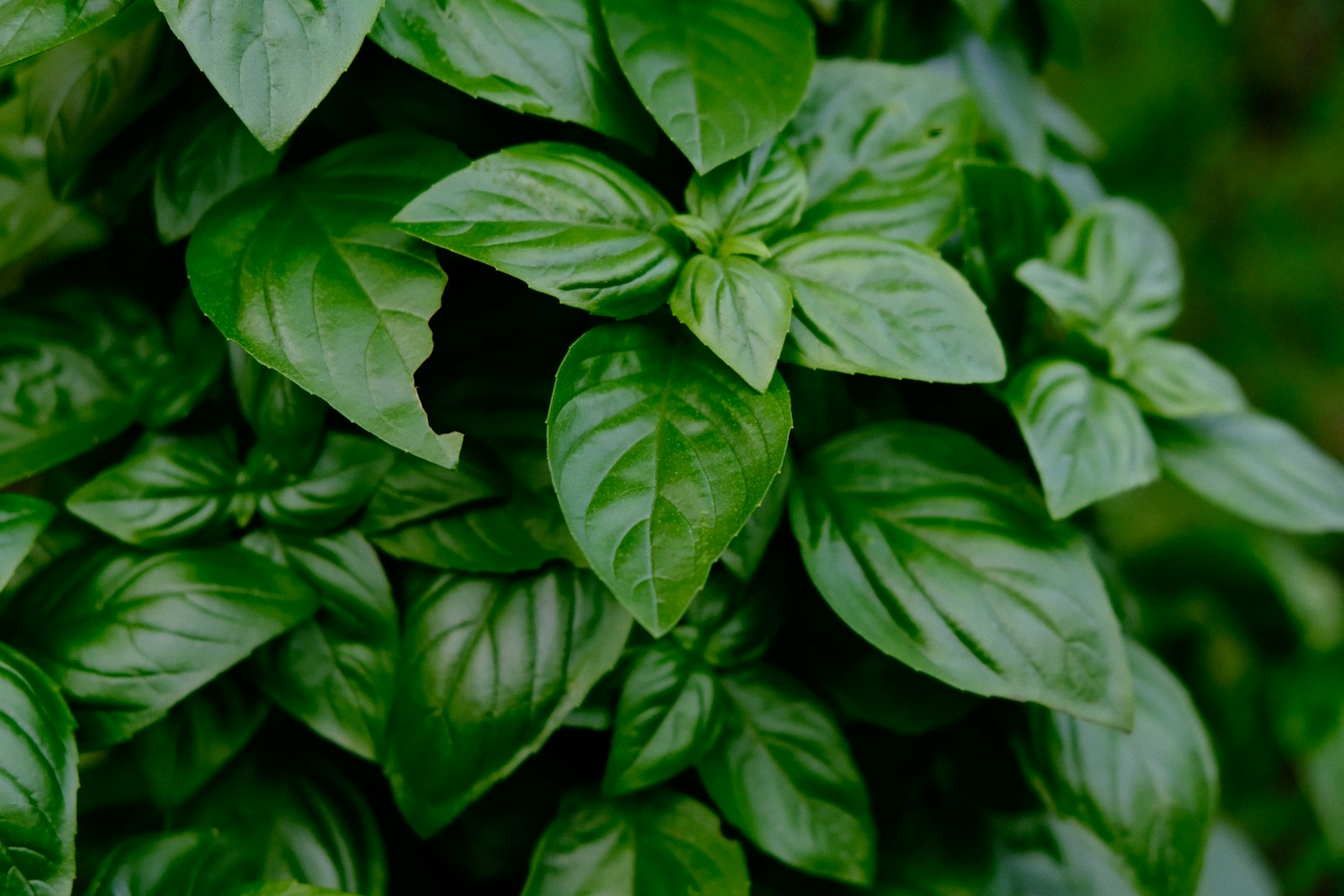
Herbs might be the smartest reason to put a hydroponic tower in your kitchen. Fresh basil and parsley are expensive in the shop, wilt fast and you usually buy more than you need. In a tower you pick exactly what you need, a minute before it hits the plate—and you do it all year, whatever the weather outside.
Most herbs are also ideal for beginners: light feeders, fast growers, with a harvest that returns. This guide walks through the most popular kinds, with concrete numbers and tricks for bushy, aromatic plants.
Why herbs thrive in a tower
Like leafy greens, most herbs want a moderate nutrient solution and love regular harvesting. EC for herbs mostly sits between 1.0 and 1.8 mS/cm, and pH between 5.5 and 6.5. Mediterranean herbs (basil, oregano, thyme) love warmth and plenty of light; cool-climate herbs (parsley, dill, chives) tolerate lower temperatures.
An important principle: regular harvesting = a bushier plant. Herbs respond to cutting by branching, so the more you (sensibly) harvest, the denser and more aromatic they become.
Table: herbs, targets and germination
| Herb | EC (mS/cm) | Germination (days) | Note |
|---|---|---|---|
| Basil | 1.0–1.6 | 5–10 | Loves warmth and light; pinch the tips |
| Parsley | 1.0–1.8 | 14–28 | Slow to germinate; soaking seed helps |
| Mint | 1.2–1.8 | 7–14 | Vigorous; keep in its own port |
| Chives | 1.2–1.8 | 7–14 | Harvest by cutting to 2–3 cm |
| Dill | 1.0–1.6 | 7–14 | Loves light; pick young fronds |
| Oregano | 1.0–1.6 | 8–14 | Mediterranean; likes it dry and warm |
| Thyme | 1.0–1.6 | 14–28 | Slow but lasting; little water |
| Cilantro (coriander) | 1.0–1.6 | 7–10 | Bolts fast in heat; harvest young |
Basil: the star of the tower
Basil is the most rewarding herb for hydroponics. It loves warmth (20–25 °C) and plenty of light, making it ideal for towers with LED lighting. It sprouts in 5–10 days and gives a first real harvest in 4–6 weeks.
The secret to a bush rather than a thin stick is pinching. As soon as the plant has 3–4 pairs of leaves, snip the main tip just above a pair of leaves. The plant then throws out two new branches from that pair—and so it multiplies. Repeat regularly. And always remove flower buds the moment they appear: once basil flowers, the leaf turns bitter and the plant slows down.
Parsley: patience pays off
Parsley is slow off the mark—the seed can take 3–4 weeks to germinate. Soaking the seed in lukewarm water for 24 hours helps. But once it gets going, parsley is generous and long-lived: you harvest it for months.
Pick the outer stems near the base, leaving the young centre to keep growing. Never cut off the whole top—parsley grows from the centre. Treated this way, one plant feeds you for a whole season.
Mint: vigorous but "hungry for space"
Mint is almost impossible to kill—and that is exactly its problem. It grows so vigorously that its roots and leaves crowd out neighbours in the tower. Keep it in its own port or its own section of the tower. It also propagates from cuttings: put a stem in water, let it root in a week or two, and transplant. Harvest the tips regularly to keep it compact and aromatic.
Cilantro and other fast herbs
Cilantro (coriander) sprouts fast (7–10 days) and tastes great, but it has a flaw: it bolts the moment it warms up. Treat it as a fast crop—sow in succession every 2–3 weeks and harvest the young leaves before the plant runs to flower. Chives and dill are similar, fast and rewarding; simply cut chives to 2–3 cm and they grow back.
Tricks for aroma and bushiness
- Pinch early and often. True for basil, mint, oregano—branching means more leaf.
- Remove flowers. Flowering makes almost every herb more bitter and woodier; pinch the buds straight away.
- Light builds aroma. The essential oils (flavour and scent) build up when the plant gets enough light, 12–14 hours a day.
- Do not overfeed. Too strong a solution gives lush but pale, weakly flavoured leaves. Stay in EC 1.0–1.8.
- Sow in succession. Especially for cilantro and dill, which bolt quickly.
For nutrients, the dojdi salads-and-herbs mix covers this moderate EC window, making it easier to keep the solution in the zone where herbs build the most aroma.
Key takeaways
- Most herbs are light feeders: EC 1.0–1.8 mS/cm, pH 5.5–6.5, 12–14 h of light.
- Basil loves warmth and light and needs regular pinching for a dense bush.
- Parsley germinates slowly (up to 4 weeks) but harvests for months—take the outer stems.
- Keep mint separate as it crowds neighbours; sow cilantro in succession because it bolts fast.
Expand your knowledge with Best plants for beginners and Growing salads and leafy greens. For background see the EC and pH guide, the LED lighting guide and Germination and transplanting. Find seeds and towers in the shop.
Related articles
 🥬 Plants & seeds
Best plants for a hydroponic tower (for beginners)
Starting your first tower? Begin with plants that forgive mistakes. Here is a tested shortlist of fast, rewarding crops, complete with a difficulty table, days-to-harvest and hands-on tips.
 🥬 Plants & seeds
Growing salads and leafy greens in a tower
Lettuce is the queen of the hydroponic tower: fast, rewarding and undemanding. We take you from seed to crisp head—EC, pH, spacing, cut-and-come-again, and how to stop premature bolting.
 🥬 Plants & seeds
Strawberries and berries in a tower
Sweet strawberries from your own living room? In a hydroponic tower it is entirely doable. We cover variety choice, EC and pH for fruiting, hand pollination and every trick for a generous harvest year-round.