
Strawberries and berries in a tower
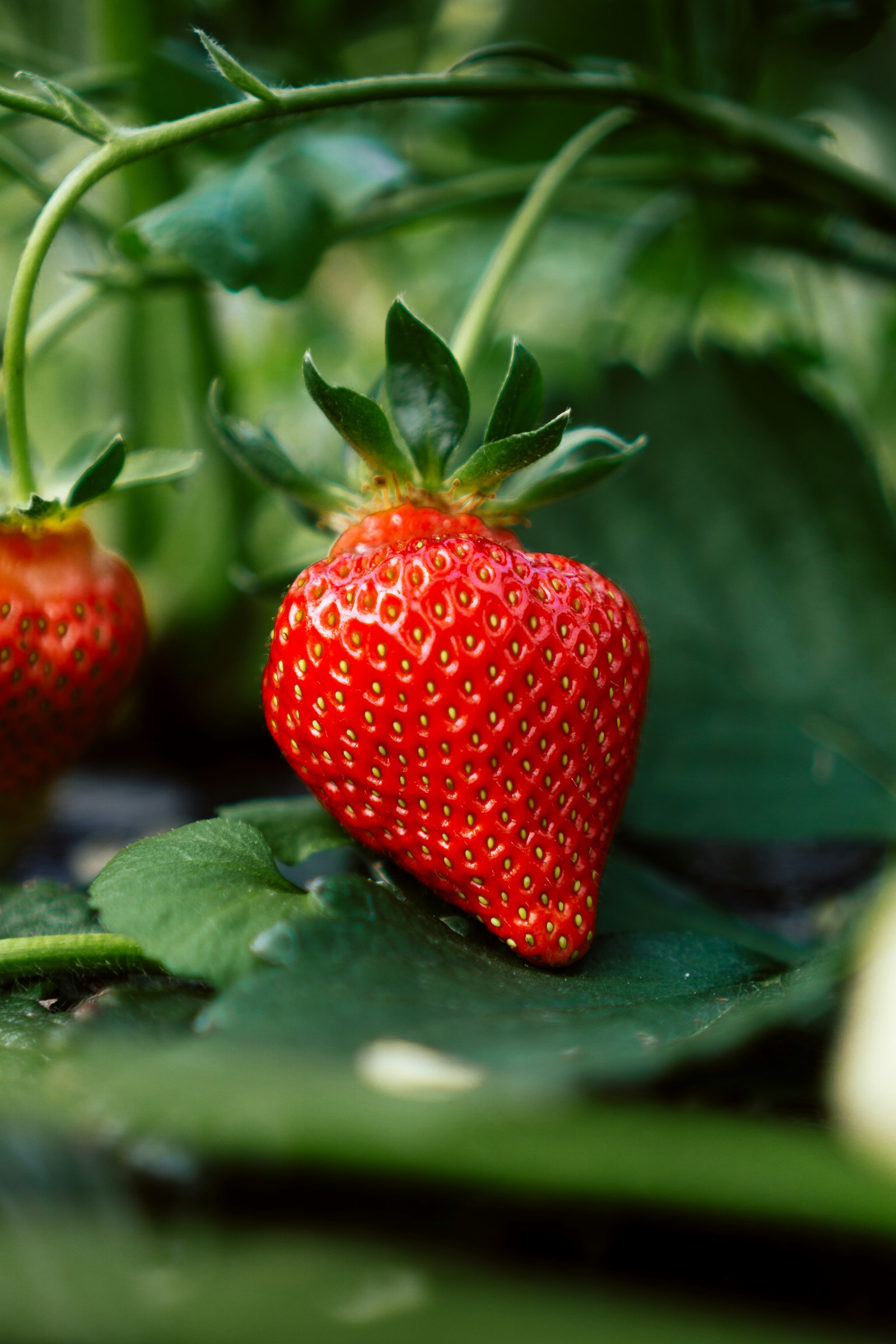
Sweet strawberries from your own living room? In a hydroponic tower it is entirely doable. We cover variety choice, EC and pH for fruiting, hand pollination and every trick for a generous harvest year-round.
Why strawberries belong in a tower
The strawberry is an almost perfect plant for a vertical hydroponic tower. It has a shallow root system, stays compact, loves a steady supply of water and nutrients, and once it starts fruiting it keeps producing for weeks. In soil, strawberries often suffer from rot, slugs and uneven watering; in a tower they sit up off the ground, their roots bathe in air and solution, and the fruit hangs clean and dry. For many home growers, the strawberry is the very plant that makes them fall in love with hydroponics.
That said, a strawberry is not a lettuce. It is a perennial that moves through phases of growth, flowering and fruiting, and it asks for a little more attention around light, pollination and nutrients. The good news: once you learn its rhythm, harvesting becomes almost automatic.
Everbearing, June-bearing and day-neutral varieties
First, choose the right variety, because it decides whether you harvest all season or just for two weeks.
- June-bearing varieties fruit once a year in a short early-summer burst and need a winter chill period to trigger flower buds. For indoor growing under artificial light they are the weakest choice, because they depend on seasonal cues we struggle to mimic.
- Everbearing varieties give two flushes, in spring and autumn, with a midsummer lull in between.
- Day-neutral varieties flower and fruit continuously regardless of day length, as long as they have enough light and warmth. For an indoor tower this is by far the best option.
In practice, varieties such as 'Albion', 'San Andreas', 'Seascape' or the aromatic 'Mara des Bois' do very well indoors. Look for "day-neutral" or "everbearing" on the plant or seed label.
Tip: it is far easier to start strawberries from bare-root (frigo) plants or rooted seedlings than from seed. Seed germinates slowly and unevenly, so leave it to patient enthusiasts.
Light, temperature and daily rhythm
The strawberry is a sun plant. Indoors it needs 12 to 14 hours of quality light per day. If your tower has LED lighting, that is ideal; if you rely on a window, pick the brightest, south-facing spot and expect a weaker crop in winter. See more in our guides on LED lighting and growing without natural light.
Keep temperatures moderate: 18–24 °C by day, a touch cooler at night. Above 28 °C flowers set fruit poorly and berries go soft. Hold relative humidity around 60–70 % and provide gentle airflow to prevent mould on the flowers (grey mould, Botrytis, is the strawberry's biggest enemy indoors). For details, see temperature, humidity and air.
EC and pH for fruiting
This is the heart of success. In the vegetative phase (while building leaf and root) the strawberry likes a milder solution, and once flowering and fruiting begin it prefers a stronger but not over-salty feed. Too much nitrogen gives lush leaves and few berries.
| Phase | EC (mS/cm) | pH | Emphasis |
|---|---|---|---|
| Rooting / young plant | 0.8–1.2 | 5.8–6.2 | mild, more roots |
| Vegetative growth | 1.2–1.6 | 5.8–6.2 | balanced |
| Flowering and fruit | 1.4–2.0 | 5.5–6.2 | more potassium (K) and phosphorus (P) |
In the fruiting phase potassium gives sweeter, firmer, better-coloured berries, while phosphorus supports flower buds and roots. So use a formulation designed for fruiting — the dojdi strawberries & berries mix is built exactly this way, with a potassium emphasis during fruiting. For fine-tuning the values see our EC and pH guide and fertiliser dosing, and for what each element does, nutrient solution elements.
Keep pH stable; strawberries are sensitive to hard, limey water, so if your tap water is hard, check water quality. Read yellow young leaves and brown margins as a sign something is off — our nutrient deficiency guide will help.
Hand pollination — the key to real fruit
Outdoors, bees and wind pollinate strawberries. Indoors those helpers are missing, so if you do nothing you will get small, deformed, lumpy berries — the classic sign of poor pollination. The fix is simple and even a little meditative: pollinate by hand.
Each strawberry flower has male parts (anthers carrying pollen) around the yellow centre and many tiny female pistils in the very middle. With a soft artist's brush, a cotton swab or even a soft makeup brush, gently circle from flower to flower, transferring pollen. Do this every day or every other day while flowers are open, ideally around midday when pollen is driest. The result is large, symmetrical, sweet berries.
Alternatively, a small fan that periodically shakes the flowers helps, but the brush gives the most reliable result.
Runners — cut or root them
A healthy strawberry starts throwing out long shoots with little plantlets at the tips — these are runners carrying daughter plants. They drain the mother plant's energy. If you want maximum fruit, cut them off as soon as they appear, so the plant pours all its strength into berries.
If instead you want to multiply your collection for free, let one or two runners develop a daughter with a few leaves and tiny roots, then root it in a separate rockwool or sponge plug. A daughter roots in three to four weeks, after which you can move it into the tower as a new plant. That way one seedling can easily become five over a season.
What about other berries
Strawberries are the easiest, but the tower welcomes other delicious candidates:
- Dwarf blueberries and cranberries want a very acidic medium (pH ~4.5–5.5), so they need a separate solution and patience — not a starter project.
- Raspberries and blackberries are too large and thorny for most towers; better left to a balcony pot.
- Physalis (golden berry) and alpine strawberry (Fragaria vesca) do beautifully in a tower, staying compact and decorative.
For an absolute start the advice is clear: begin with a day-neutral strawberry, dial in the rhythm, then experiment.
Harvest and care
Pick when the fruit is fully red, because strawberries do not ripen after picking. Harvest in the morning, with the stem on, and eat or chill straight away. Regularly remove old yellow leaves and any fruit showing mould to stop it spreading. If you spot fine webbing or tiny gnats, react quickly with our pests and diseases guide, and for algae in the system and solution hygiene, see cleaning and algae.
With a little discipline around pollination and feeding, one tower of 10–20 strawberry plants can give you a bowl of sweet berries for weeks — grown spray-free, a metre from your kitchen.
Key takeaways
- Choose day-neutral or everbearing varieties for continuous indoor fruiting; skip June-bearing.
- Provide 12–14 h of light, 18–24 °C and gentle airflow against grey mould.
- Hold EC 1.4–2.0 and pH 5.5–6.2 in the fruiting phase, with a potassium emphasis — a strawberries & berries mix is ideal.
- Pollinate by hand with a brush every day or two — without it you get lumpy fruit.
- Cut runners for bigger crops, or root them to multiply plants for free.
- Start from plants (bare-root or rooted), not from seed.
Related articles
 🥬 Plants & seeds
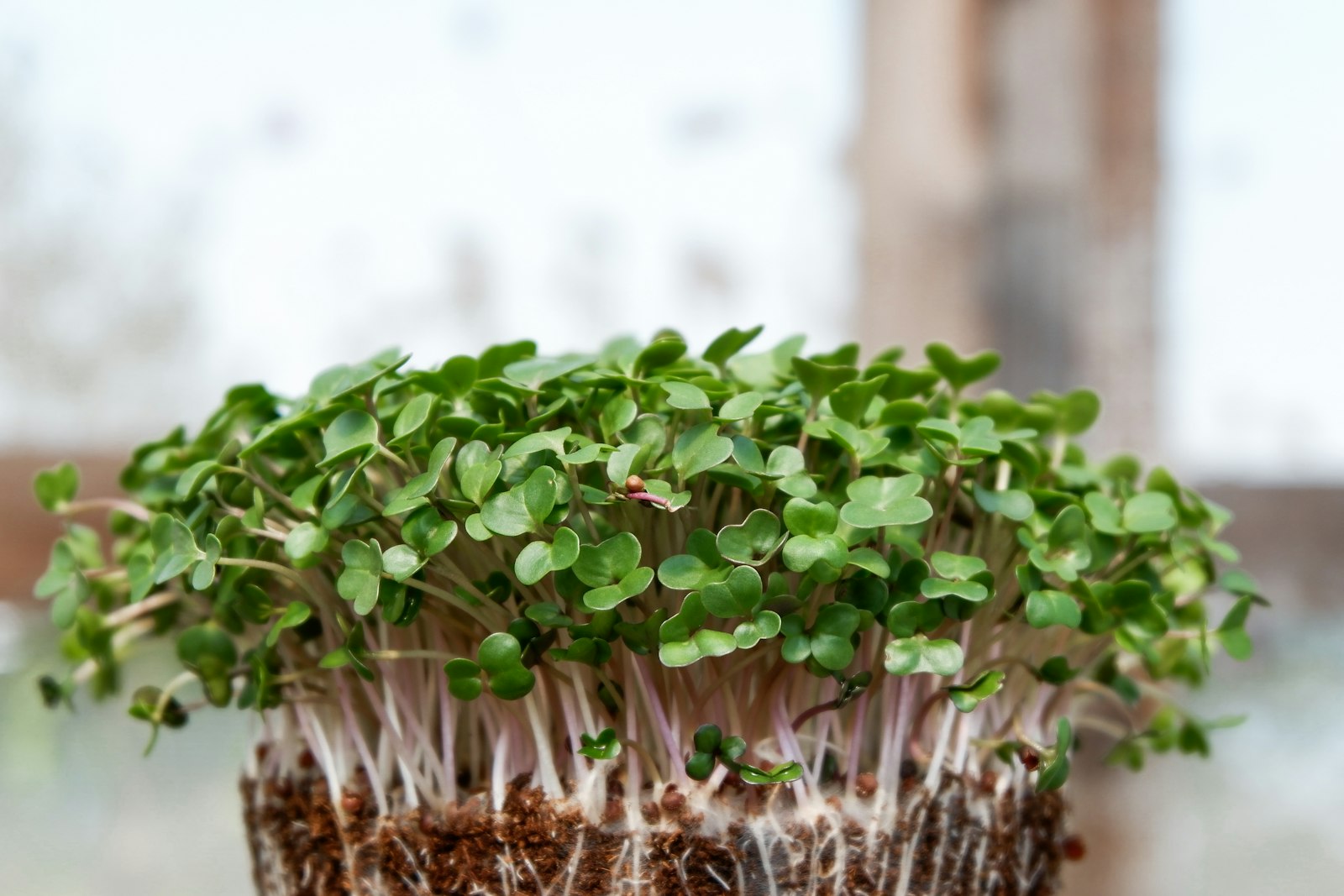
Best plants for a hydroponic tower (for beginners)
Starting your first tower? Begin with plants that forgive mistakes. Here is a tested shortlist of fast, rewarding crops, complete with a difficulty table, days-to-harvest and hands-on tips.
 🥬 Plants & seeds
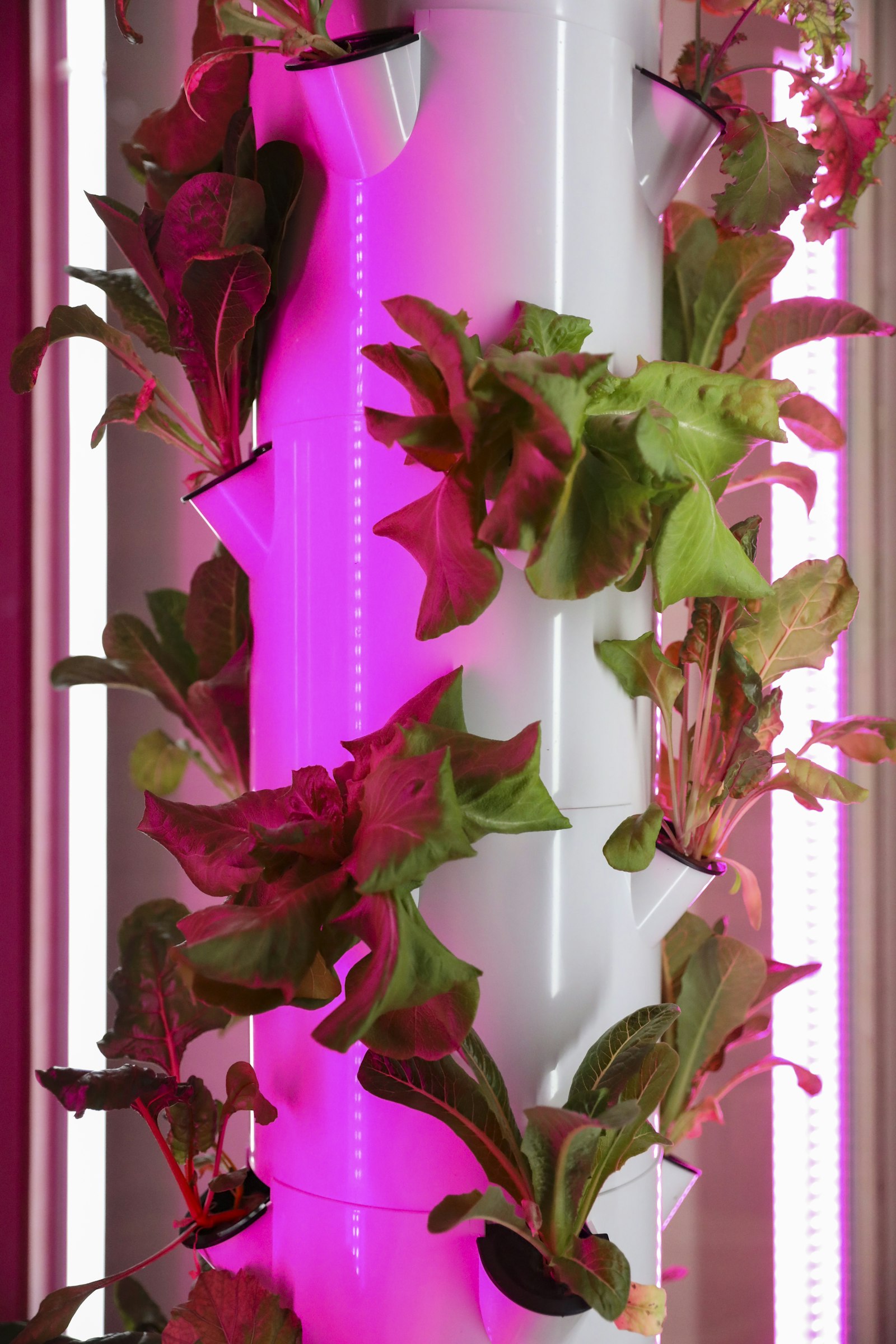
Growing salads and leafy greens in a tower
Lettuce is the queen of the hydroponic tower: fast, rewarding and undemanding. We take you from seed to crisp head—EC, pH, spacing, cut-and-come-again, and how to stop premature bolting.
 🥬 Plants & seeds
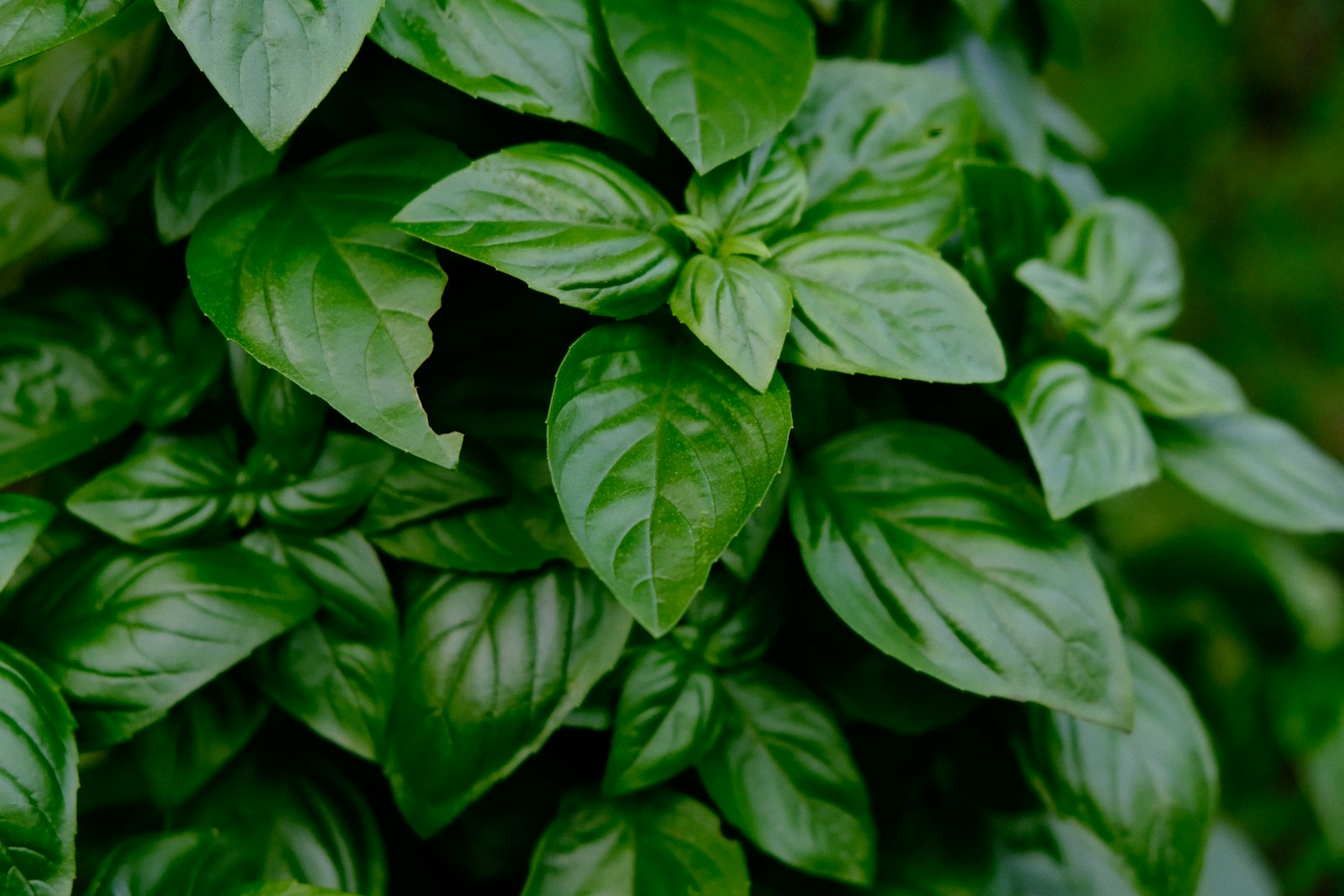
Herbs in hydroponics (basil, parsley, mint…)
Fresh basil, parsley and mint within arm's reach, all year round. We cover germination, EC and pH per herb, pinching for bushiness, and a harvest that returns week after week.