
Growing salads and leafy greens in a tower
Lettuce is the queen of the hydroponic tower: fast, rewarding and undemanding. We take you from seed to crisp head—EC, pH, spacing, cut-and-come-again, and how to stop premature bolting.
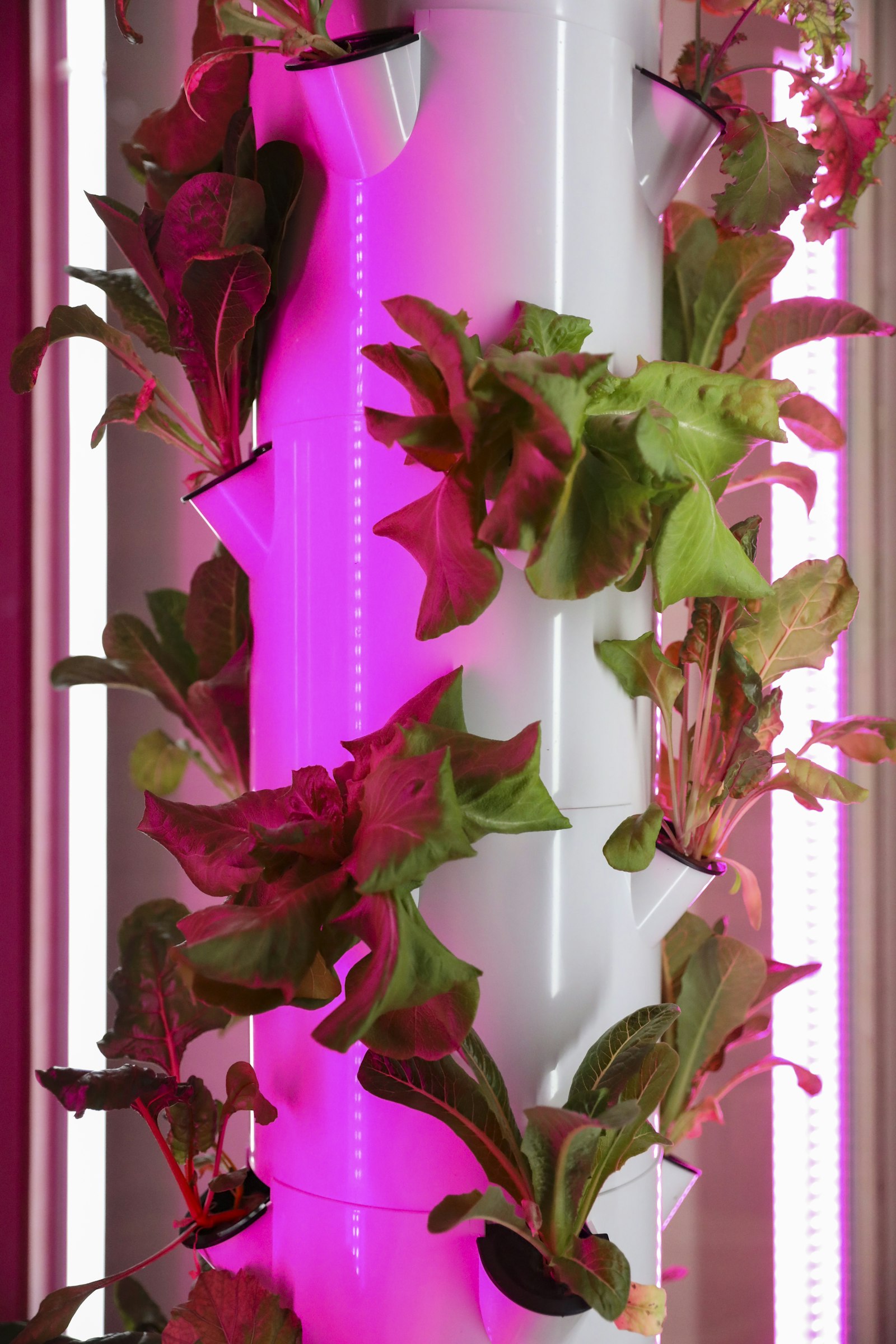
There is a reason almost every hydroponics guide opens with lettuce: it is the easiest, fastest and most rewarding crop for a tower. The seed sprouts in a few days, the plant does not want a strong solution, and a single seedling feeds you for weeks. If you are after that "wow" moment of harvesting your own lunch for the first time, lettuce is your safest route to it.
This guide walks through the full leafy-greens cycle—lettuce, spinach, chard, arugula, mâche and kale—with concrete numbers you can apply today.
Why leafy greens love a tower
Leafy greens are "light feeders": they want a relatively weak nutrient solution and moderate light. The roots are shallow, the plant is low and needs no support, so it fits the vertical shape of a tower perfectly. On top of that, most of these plants grow fast and tolerate dense planting, which means a lot of food in a small footprint.
The key numbers for most leafy greens:
- EC: 0.8–1.4 mS/cm (give seedlings the lower end)
- pH: 5.5–6.2
- Temperature: 16–22 °C ideal; above 24–26 °C the bolting risk climbs
- Light: 12–14 hours; lettuce is happy with moderate intensity
Table: varieties and targets
| Crop | EC (mS/cm) | Days to harvest | Target / note |
|---|---|---|---|
| Leaf lettuce (Lollo, oakleaf) | 0.8–1.2 | 28–40 | Cut-and-come-again; easiest to start |
| Head lettuce (butterhead, iceberg) | 0.8–1.2 | 45–60 | Harvest whole head; needs more space |
| Spinach | 1.2–1.8 | 30–45 | Loves cool; harvest young leaves |
| Swiss chard | 1.2–2.0 | 45–60 | Slow start, harvests for months |
| Kale | 1.2–2.0 | 50–65 | Robust, long-lived |
| Arugula (rocket) | 0.8–1.4 | 25–40 | Fast, peppery; harvest young |
| Corn salad (mâche) | 0.8–1.2 | 35–50 | Cool-loving, a winter winner |
| Pak choi | 1.0–1.6 | 35–45 | Crunchy, fast; bolts in heat |
From seed to seedling
Leafy greens are easiest to start in plugs or a moist propagation cube. Lettuce seed germinates in 3–7 days at 16–20 °C; too much heat actually slows lettuce germination down. As soon as the first true leaves and white rootlets appear, transplant the cube into a tower port.
For the first few days give seedlings a half-strength solution (EC around 0.6–0.8). Tender roots burn easily in a strong solution, and a weaker start encourages them to branch out in search of food.
Spacing and layout
Space leaf lettuce 12–15 cm apart and head lettuce a little wider (15–20 cm), since it needs room to form a head. Too dense and the plants shade each other, air moves poorly and leaf-disease risk rises. In a tower, use the vertical advantage: the upper ports catch more light, so put your light-hungry crops there and keep mâche and young lettuce lower down.
Harvest: cut-and-come-again
The biggest perk of leafy greens is the "cut and it grows back" harvest. Instead of pulling the whole plant, you pick the outer, older leaves while the centre keeps growing. From a single lettuce, arugula or kale you can harvest every week for several weeks.
Rules for a healthy harvest:
- Pick in the morning, when leaves are most turgid and crisp.
- Never take more than a third of the plant at once—leave it enough leaf for photosynthesis.
- Cut cleanly with sharp scissors, a couple of centimetres above the plant's crown.
- Head lettuce and pak choi are usually harvested whole, once the head firms up.
The biggest enemy: bolting
When it warms up or the days grow long, lettuce, spinach and arugula switch from making leaves to making a flower stalk. The stem stretches, the leaves turn bitter and the plant is done. That is bolting, and it is the main reason for summer failures.
How to delay it:
- Keep the temperature below 24 °C as much as you can; heat is the main trigger.
- Choose bolt-resistant ("slow-bolt") varieties.
- Harvest often and young—the more you pick, the later the plant "thinks" about flowering.
- In summer keep the tower away from an overheated window; consider growing spinach and mâche in the cooler months.
Common problems and quick fixes
- Yellow leaves, slow growth: usually low EC or pH outside 5.5–6.2. Check both.
- Brown, slimy leaf edges (tipburn): often too strong a solution or poor air circulation. Lower EC and add a fan.
- Stretched, pale seedlings: too little light. Lower the LED or extend the schedule to 14 hours.
- Bitter taste: the plant has begun to bolt or was heat-stressed—harvest it at once.
For nutrients, the dojdi salads-and-greens mix hits exactly this low-EC window, making it easier to keep the solution in the zone where lettuce does best.
Key takeaways
- Leafy greens are light feeders: EC 0.8–1.4 mS/cm, pH 5.5–6.2, moderate light.
- Give seedlings a weaker solution for the first days and space leaf types 12–15 cm apart.
- Use cut-and-come-again harvesting and never take more than a third of a plant at once.
- Heat above 24 °C pushes plants to bolt—keep it cooler and harvest regularly.
Build on this with Best plants for beginners and Herbs in hydroponics. For the fundamentals see the EC and pH guide, Nutrient solution and elements and Germination and transplanting. Find towers and seeds in the shop.
Related articles
 🥬 Plants & seeds
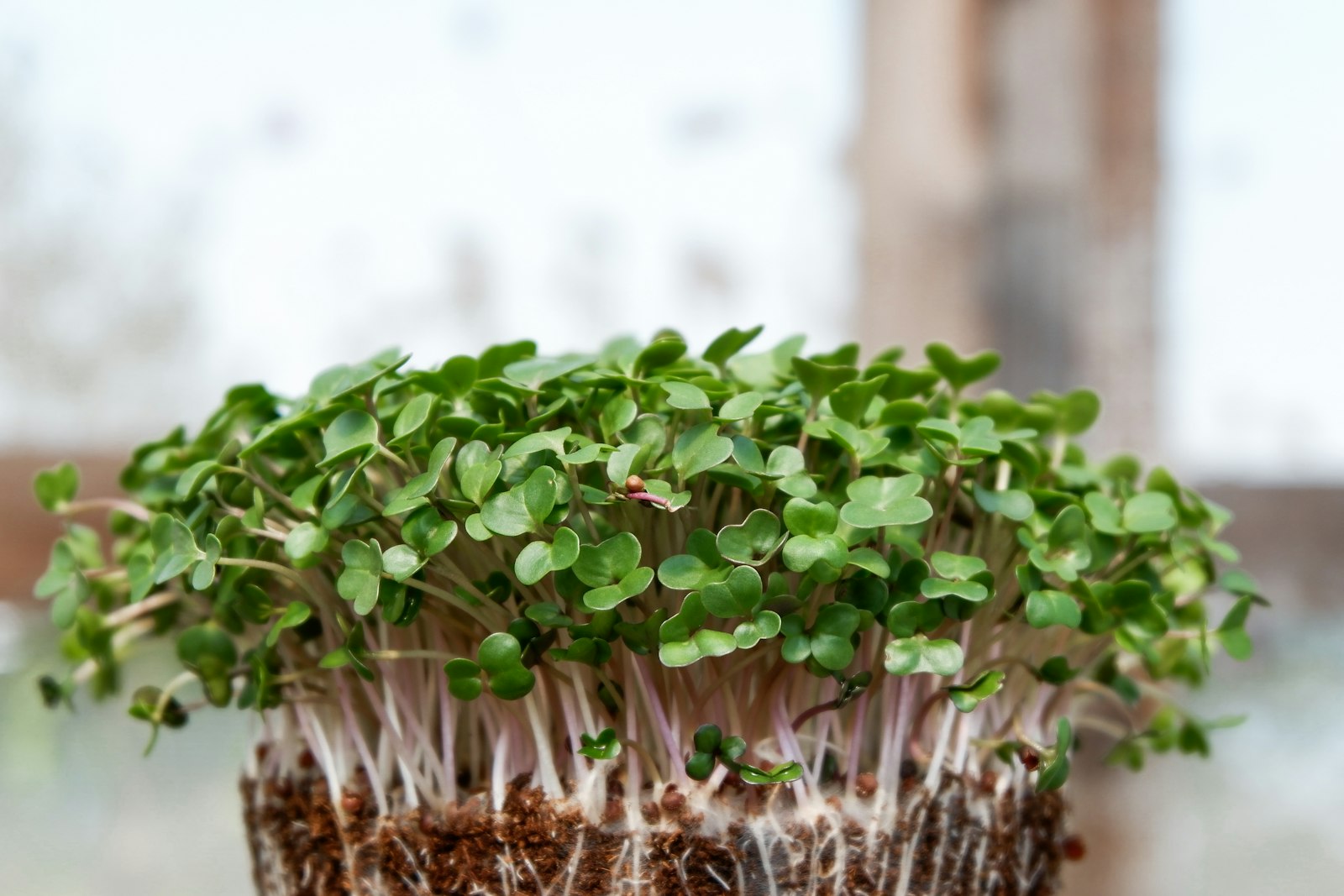
Best plants for a hydroponic tower (for beginners)
Starting your first tower? Begin with plants that forgive mistakes. Here is a tested shortlist of fast, rewarding crops, complete with a difficulty table, days-to-harvest and hands-on tips.
 🥬 Plants & seeds
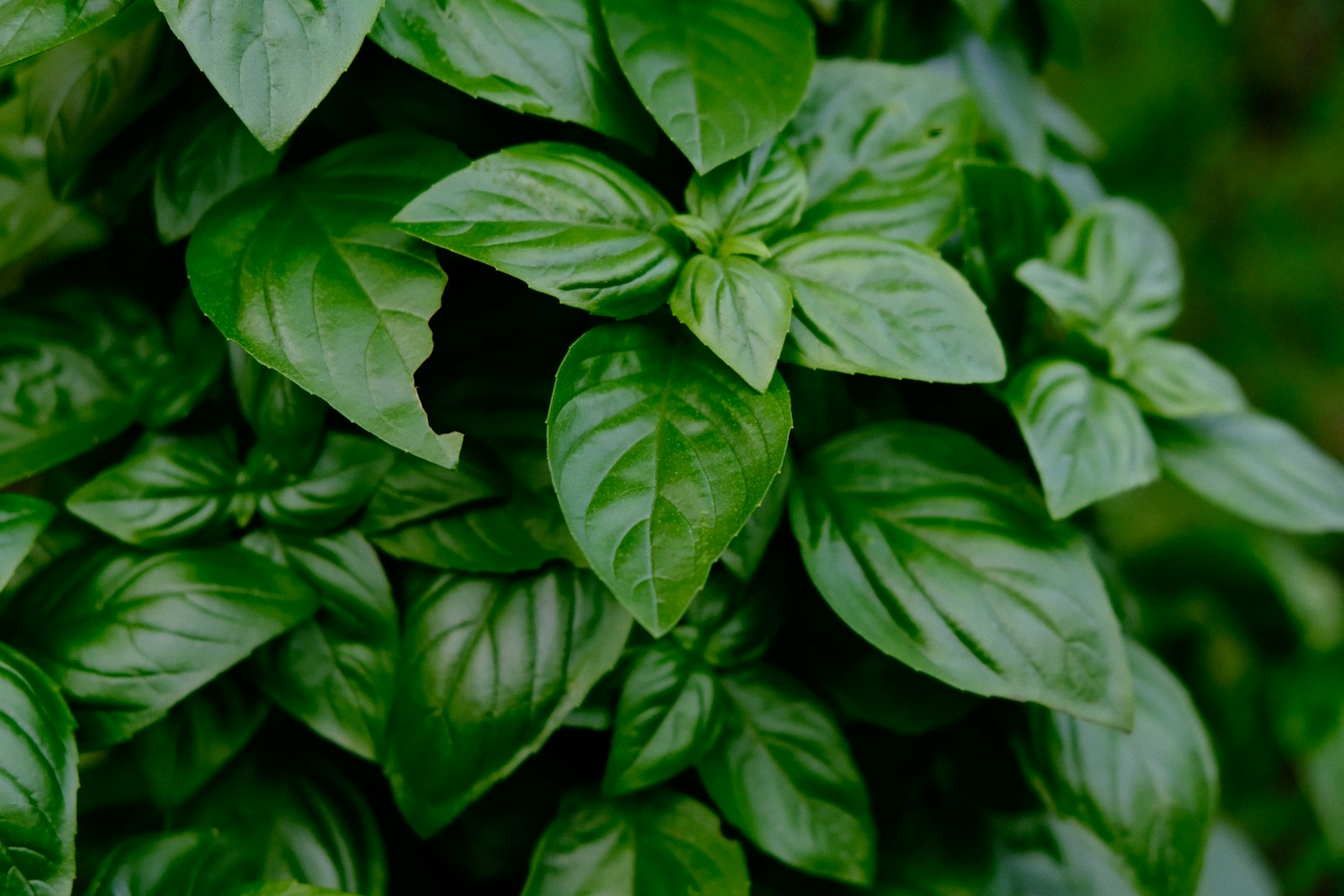
Herbs in hydroponics (basil, parsley, mint…)
Fresh basil, parsley and mint within arm's reach, all year round. We cover germination, EC and pH per herb, pinching for bushiness, and a harvest that returns week after week.
 🥬 Plants & seeds
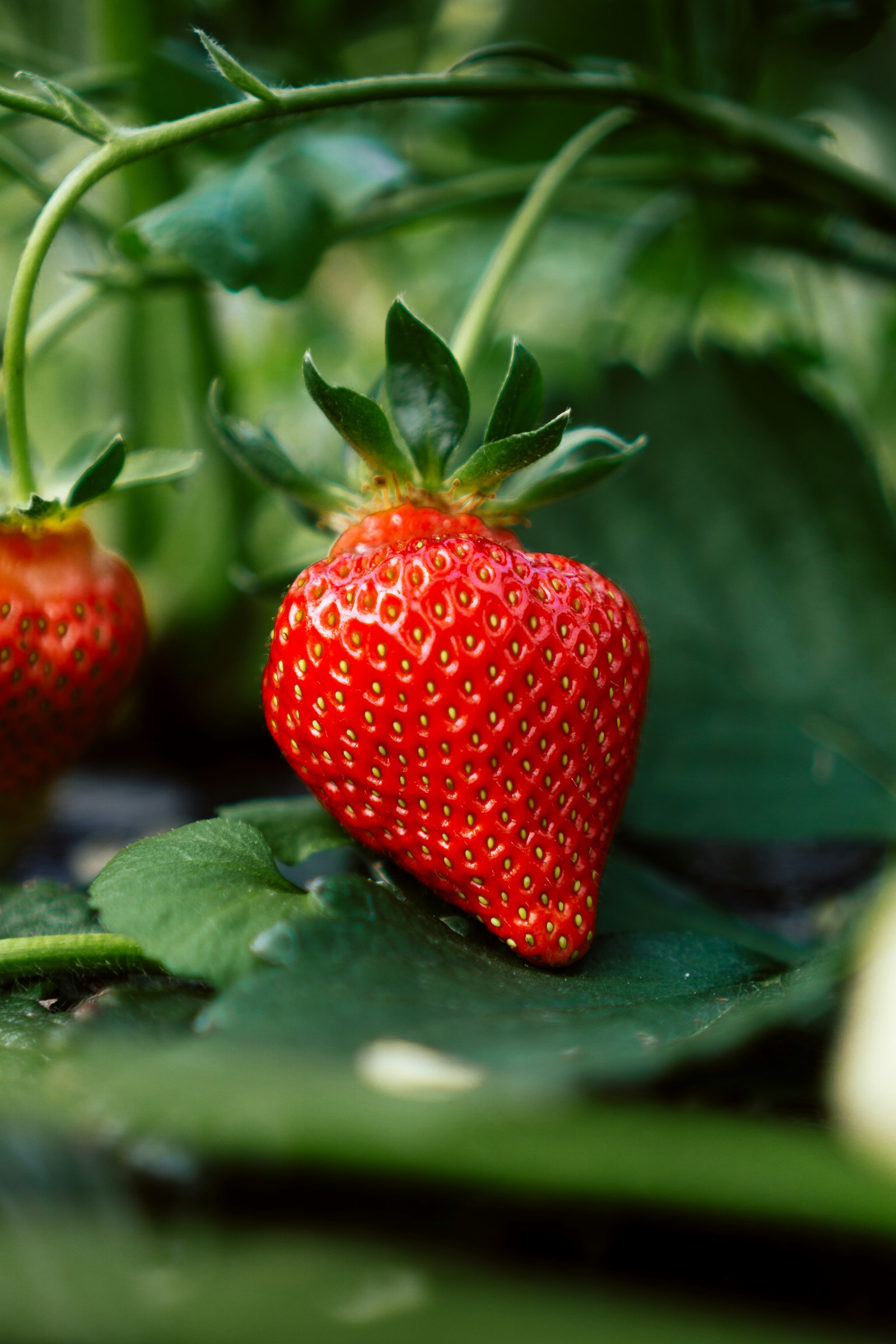
Strawberries and berries in a tower
Sweet strawberries from your own living room? In a hydroponic tower it is entirely doable. We cover variety choice, EC and pH for fruiting, hand pollination and every trick for a generous harvest year-round.