
Best plants for a hydroponic tower (for beginners)
Starting your first tower? Begin with plants that forgive mistakes. Here is a tested shortlist of fast, rewarding crops, complete with a difficulty table, days-to-harvest and hands-on tips.
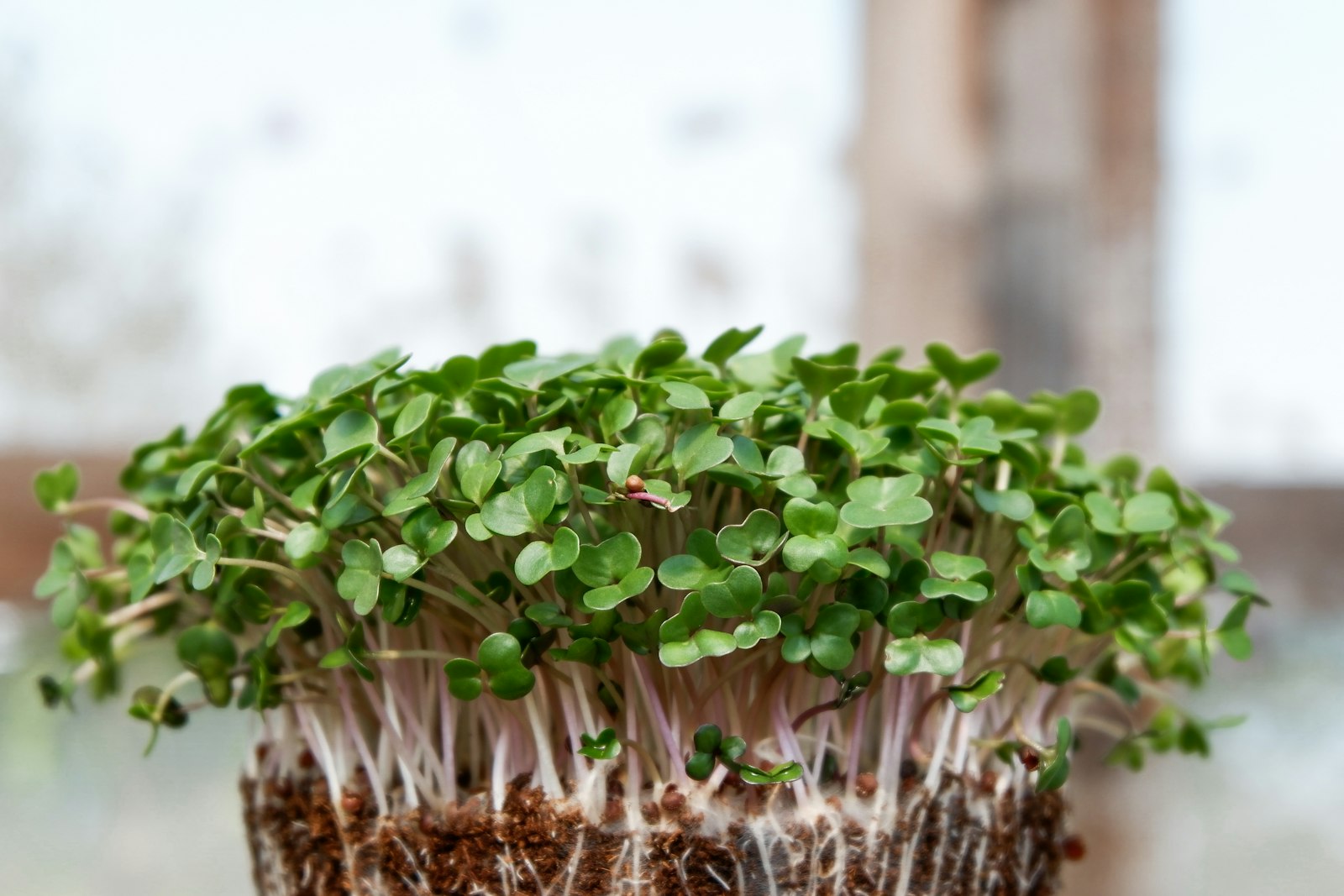
Your first tower is like your first car: you want something that drives smoothly while you learn to change gears. In hydroponics that means choosing plants that germinate fast, do not demand a fistful of nutrients, and forgive you when you forget to check EC for a day or two. The happy part? Those same plants are also the ones you will actually use in the kitchen every day.
This guide separates the safe bets from the crops that are better left for your second or third season. The goal is not to grow everything at once, but to make your first few harvests succeed so that planting again feels obvious.
What makes a plant beginner-friendly?
A few traits dramatically lower your chance of failure:
- Fast germination and fast growth. Leafy greens and many herbs sprout in 3–10 days and are ready in 3–6 weeks. A short cycle means fast feedback, so you fix mistakes before they get expensive.
- Low nutrient demand. Lettuce and greens thrive at roughly 0.8–1.4 mS/cm EC, a wide and forgiving window. Fruiting crops like tomatoes want a solution twice as strong and far more light.
- A cut-and-come-again habit. Plants where you pick the outer leaves while the centre keeps growing give you weekly harvests from a single seedling. That is a huge psychological win early on.
- Tolerance to heat and modest light. Greens that do not bolt (rush to flower) the moment it warms up, and that are happy with 12–14 hours of light, are far more relaxing to grow indoors.
Table: proven plants for a first tower
| Plant | Difficulty | Days to harvest | Notes |
|---|---|---|---|
| Leaf lettuce (Lollo, oakleaf, etc.) | Very easy | 28–40 | Cut-and-come-again; EC 0.8–1.2; the ideal first crop |
| Corn salad (mâche) | Very easy | 35–50 | Loves cool conditions; great winter grow |
| Arugula (rocket) | Easy | 25–40 | Fast, peppery; harvest young, bolts in heat |
| Spinach | Easy–medium | 30–45 | Prefers cool (15–20 °C); bolts quickly when warm |
| Swiss chard | Easy | 45–60 | Slow start but harvests for months; very tough |
| Kale | Easy | 50–65 | Robust, long-lived; pick outer leaves |
| Basil | Easy | 28–40 | Loves warmth and light; pinch the tips |
| Parsley | Medium | 50–70 | Slow to germinate (up to 3 weeks); patience pays off |
| Mint | Very easy | 30–40 | Grows vigorously; keep it in its own port—it crowds neighbours |
| Pak choi | Easy | 35–45 | Fast, crunchy; prone to bolting in heat |
Top 3 to start with
1. Leaf lettuce
If you plant only one thing, make it leaf lettuce. It sprouts in 3–7 days, keeps EC low (0.8–1.2 mS/cm), pH around 5.5–6.0, and gives crisp leaves within a month. Pick the outer leaves and leave the centre—the same seedling feeds you for weeks. Space plants about 12–15 cm apart.
2. Basil
The most rewarding herb for a tower. It loves warmth (20–25 °C) and plenty of light, making it ideal for towers with LEDs. The secret to a bushy plant is pinching: as soon as it has a few pairs of leaves, snip the tip above a pair and the plant branches out. Do not let it flower, or the leaves turn bitter.
3. Arugula or pak choi
For that "growing before my eyes" feeling. Both are fast (3–5 weeks) and deliver distinctive flavour. Harvest them young and often; they bolt quickly in heat, so treat them as a rewarding fast cycle in winter and spring.
What to skip (for now)
You are not a bad grower if these fail on the first try—they are simply more demanding:
- Tomatoes, peppers, cucumbers. They need a strong solution (EC 2.0–3.5), lots of light, stem support and pollination. Brilliant for season two.
- Root vegetables (carrots, beets). A tower is not the ideal shape for roots that want depth.
- Cilantro in heat. Tasty, but it bolts the moment it gets warm, which frustrates beginners.
Quick tips for the first 30 days
- Measure EC and pH twice a week. For greens keep EC 0.8–1.4 and pH 5.5–6.2. More is not better.
- Start weak. Give seedlings a half-strength solution for the first days so the delicate roots do not burn.
- Sow in succession. Plant a couple of ports each week instead of all at once—that way you harvest continuously rather than all on the same day.
- Mind the temperature. Above 26–28 °C lettuce and spinach race to flower. Keep the tower out of direct summer sun on a windowsill.
For nutrients, the dojdi salads-and-greens mix is already tuned for this low-EC window, so you do not have to build a formula yourself—one less thing to worry about while you learn the basics.
Key takeaways
- Choose fast, low-EC leafy greens and basil for your first season; they forgive mistakes and reward you quickly.
- Keep EC 0.8–1.4 mS/cm and pH 5.5–6.2 for most greens; a stronger solution does not mean a faster plant.
- Lean on cut-and-come-again harvesting and succession sowing for a steady supply.
- Save tomatoes, peppers and cilantro for later—once you have the tower's rhythm down.
When your first lettuces succeed, go deeper with Growing salads and leafy greens and Herbs in hydroponics. For the fundamentals see the Beginner's guide and the EC and pH guide, and find towers and seeds in the shop.
Related articles
 🥬 Plants & seeds
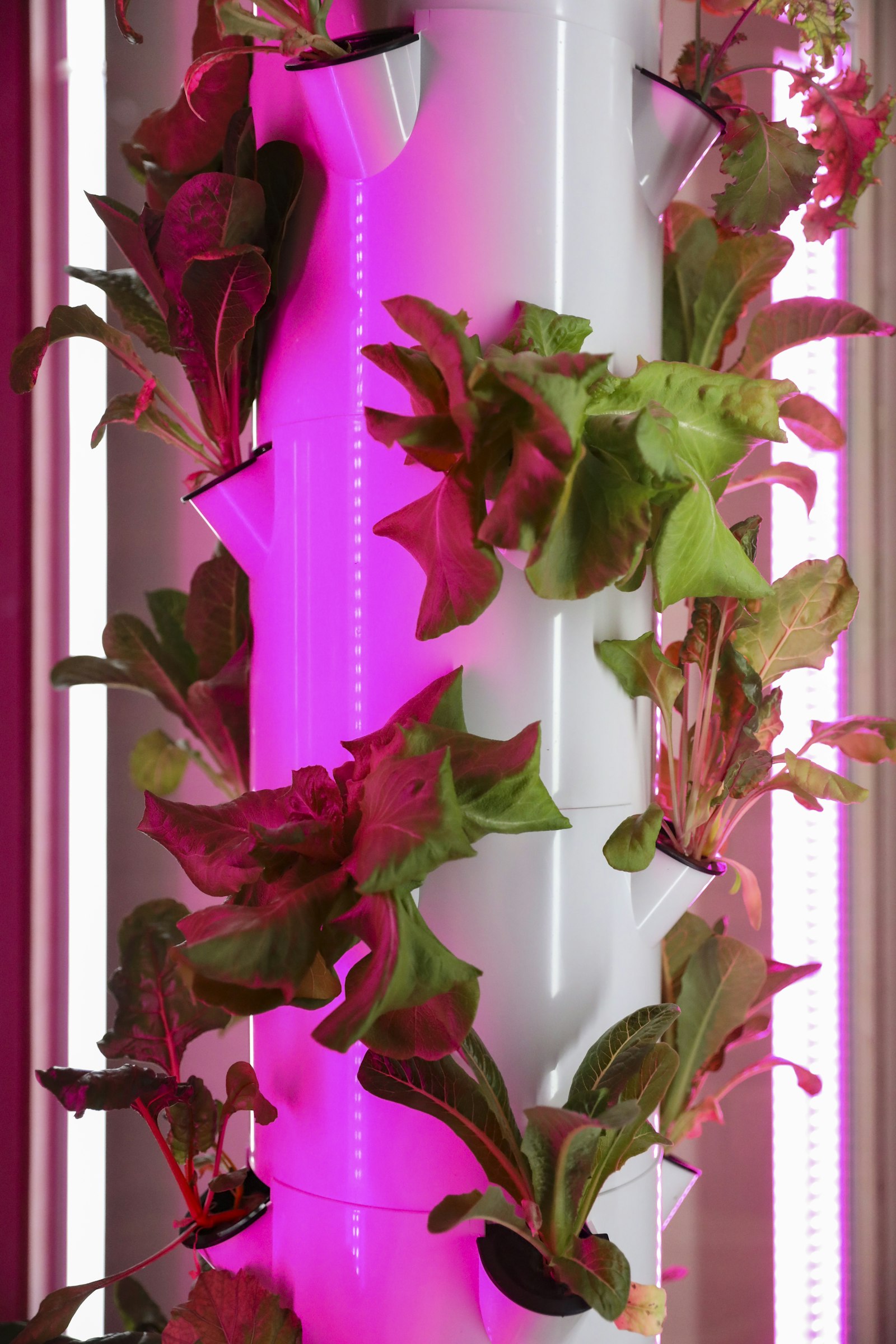
Growing salads and leafy greens in a tower
Lettuce is the queen of the hydroponic tower: fast, rewarding and undemanding. We take you from seed to crisp head—EC, pH, spacing, cut-and-come-again, and how to stop premature bolting.
 🥬 Plants & seeds
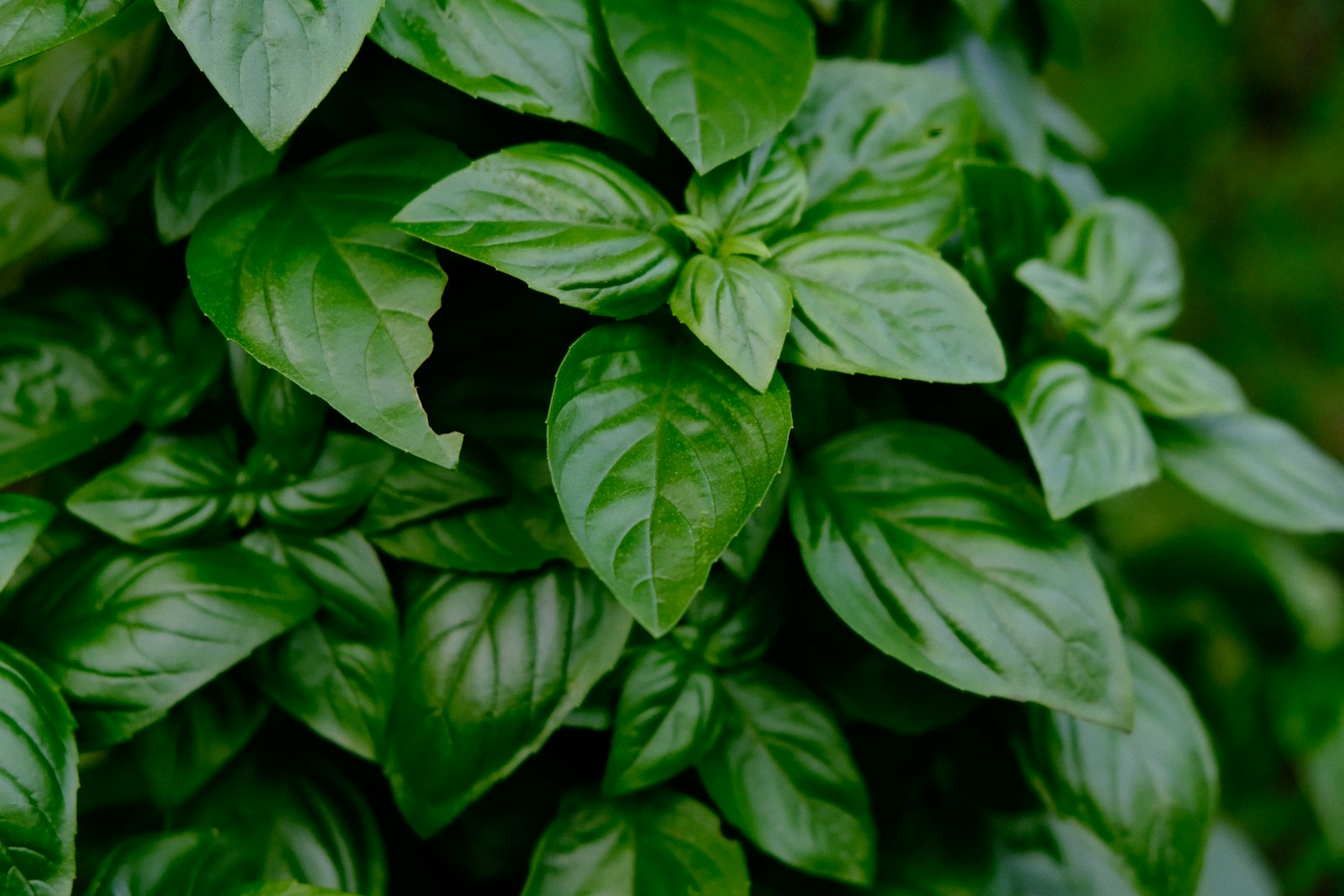
Herbs in hydroponics (basil, parsley, mint…)
Fresh basil, parsley and mint within arm's reach, all year round. We cover germination, EC and pH per herb, pinching for bushiness, and a harvest that returns week after week.
 🥬 Plants & seeds
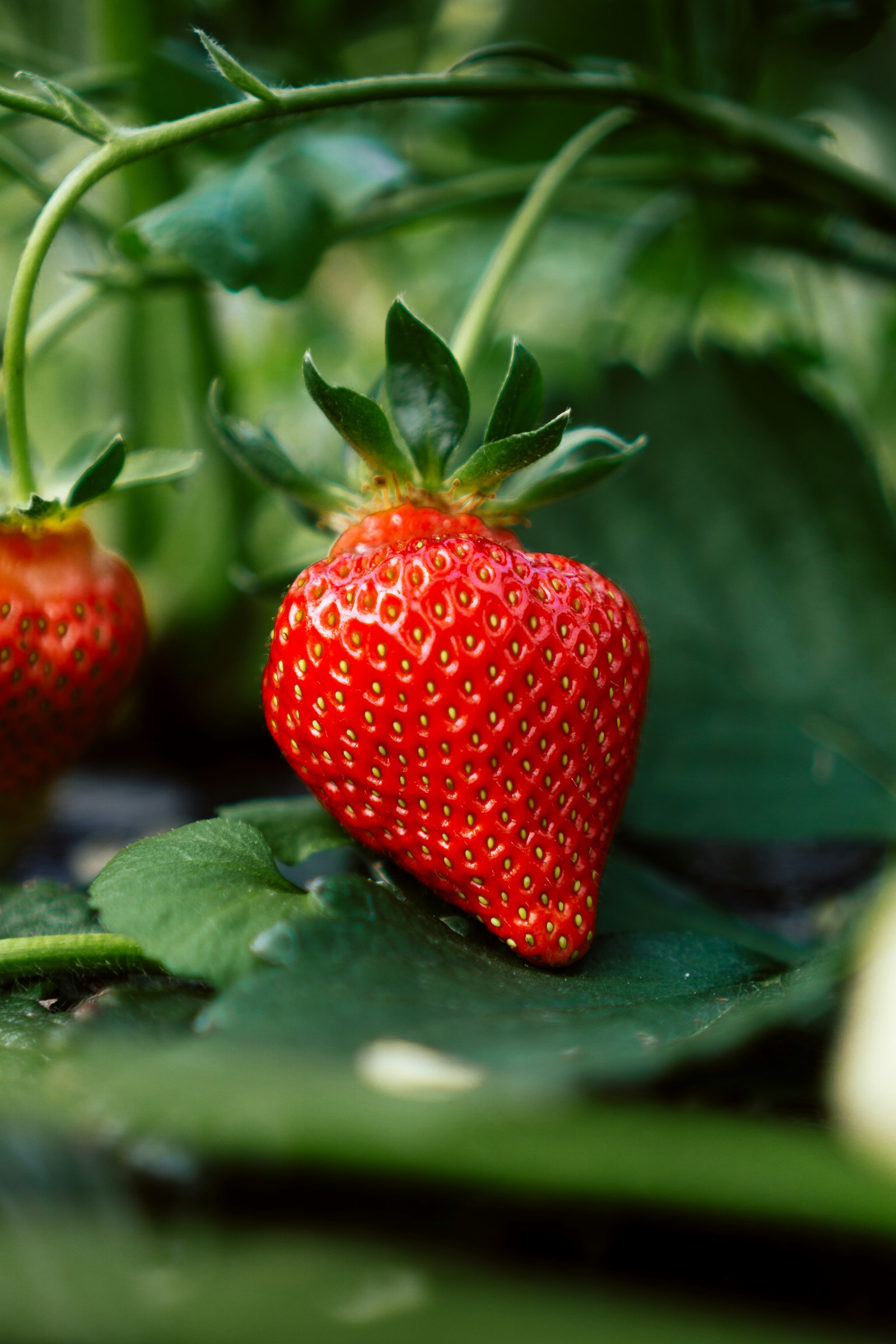
Strawberries and berries in a tower
Sweet strawberries from your own living room? In a hydroponic tower it is entirely doable. We cover variety choice, EC and pH for fruiting, hand pollination and every trick for a generous harvest year-round.