
Nutrient solution: macro- and micro-elements explained
Which elements does a plant need and what does each one do? A guide through the macro- and micronutrients of a hydroponic solution, with the mobile/immobile rule that speeds up diagnosis.
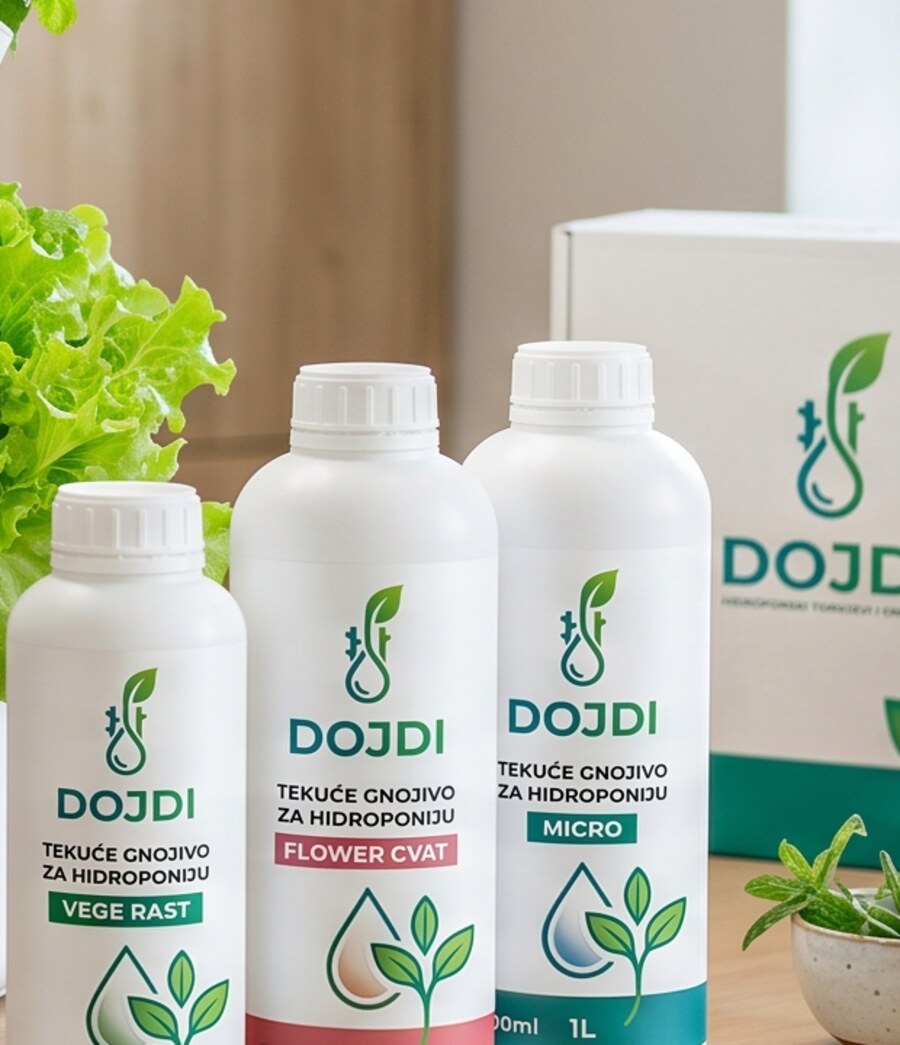
What the plant actually eats
In soil a plant digs with its roots and hunts for food itself. In hydroponics you are that root — everything the plant needs has to arrive through the water. So it pays to know what you're actually dissolving in the reservoir and what each element does. Once you understand the role of each nutrient, a symptom on a leaf suddenly makes sense, and your decisions become far more confident.
For complete growth, plants need 17 essential elements. Three of them (carbon, hydrogen, oxygen) come from air and water, and you never worry about them. The remaining 14 mineral elements you supply through fertiliser. We split them into macronutrients (needed in larger amounts) and micronutrients (needed in traces, but just as irreplaceable).
Macronutrients
Primary: N, P, K
This is the famous trio you see on every fertiliser bottle as the NPK ratio.
- Nitrogen (N) — the engine of vegetative growth. Builds chlorophyll, amino acids and proteins. Plenty of nitrogen means lush, dark green leaves. That's why lettuce and herbs love nitrogen-rich solutions.
- Phosphorus (P) — energy and roots. Essential for energy transfer (ATP), root development, flowering and fruit set. The plant needs less of it than nitrogen, but without it there's no bloom.
- Potassium (K) — the regulator. Controls water balance (stomatal opening), cell strength, fruit quality and sweetness, and stress tolerance. Fruiting crops consume a great deal of it.
Secondary: Ca, Mg, S
Needed in significant amounts, yet often forgotten:
- Calcium (Ca) — the cement of cell walls. It gives tissue its firmness. Deficiency shows as deformed young leaves or blossom-end rot on tomato and pepper. Calcium moves poorly within the plant, so symptoms hit new growth.
- Magnesium (Mg) — the heart of the chlorophyll molecule. No magnesium, no photosynthesis. Deficiency gives the classic interveinal chlorosis (yellow patches between green veins) on older leaves.
- Sulphur (S) — builds amino acids and enzymes. Deficiency is rarer and resembles a nitrogen shortage, except it strikes young leaves.
Micronutrients
Needed in traces — from a few hundredths to a few ppm — but the absence of any one stops the whole machine.
- Iron (Fe) — essential for chlorophyll synthesis. The most common micro-deficiency in hydroponics. Shows as yellow young leaves with green veins. The culprit is almost always pH too high, not a real iron shortage in the water.
- Manganese (Mn) — activates enzymes and takes part in photosynthesis. Deficiency resembles iron deficiency but milder.
- Zinc (Zn) — synthesis of growth hormones; deficiency gives small, clustered leaves ("rosette").
- Boron (B) — cell division, growing tips and pollen. Deficiency breaks tip growth and ruins fruit.
- Copper (Cu) — enzymes and photosynthesis; needed in very small amounts.
- Molybdenum (Mo) — helps the plant process nitrogen. Needed in the smallest amount of all.
- Chlorine (Cl) and nickel (Ni) — needed in traces and almost always present in water and fertiliser, so we rarely worry about them.
Overview: role and where deficiency hits
| Element | Type | Main role | Where deficiency shows |
|---|---|---|---|
| Nitrogen (N) | macro | leaf growth, chlorophyll | older leaves |
| Phosphorus (P) | macro | energy, roots, bloom | older leaves |
| Potassium (K) | macro | water, fruit, tolerance | older leaves (edges) |
| Calcium (Ca) | macro | cell strength | young leaves, tips |
| Magnesium (Mg) | macro | chlorophyll | older leaves |
| Sulphur (S) | macro | amino acids | young leaves |
| Iron (Fe) | micro | chlorophyll | young leaves |
| Manganese (Mn) | micro | enzymes, photosynthesis | young leaves |
| Zinc (Zn) | micro | growth hormones | young leaves |
| Boron (B) | micro | cell division, tips | tips, fruit |
For detailed identification, see Nutrient deficiency symptoms.
Mobile vs immobile elements — why where you look matters
This is the single most useful rule in the whole article. Some elements move through the plant, some don't.
- Mobile (N, P, K, Mg): when they run short, the plant relocates them from old leaves to new ones. So deficiency hits older, lower leaves first.
- Immobile (Ca, Fe, Mn, B, S, Zn): the plant can't redistribute them, so deficiency strikes young leaves and tips first.
So: yellow lower leaves → think nitrogen or magnesium. Pale upper leaves → think iron or calcium (and check the pH!).
The element ratio shifts over the plant's life
- Vegetative phase (leaf growth): more nitrogen and potassium, moderate phosphorus.
- Flowering and fruit: nitrogen drops, demand for phosphorus, potassium and calcium rises.
That's why dojdi offers fertilisers tailored to purpose — a nitrogen-rich salad mix, dedicated formulations for strawberries and berries, and one for flowering plants. You don't have to blend individual salts yourself; a balanced formulation already carries the right ratio of macro- and micronutrients, and you just track EC and pH (see the EC and pH guide).
Why it all "falls apart" if the pH is wrong
You can have a perfect ratio of elements in the water and the plant still starves — because a pH outside the 5.5–6.5 range locks out certain nutrients. The classic example: pH too high and iron "vanishes" even though it's there in the solution. So always check pH before suspecting a real deficiency. More on the role of water in Water quality in hydroponics.
Key takeaways
- A plant needs 14 mineral elements: macronutrients (N, P, K, Ca, Mg, S) and micronutrients (Fe, Mn, Zn, B, Cu, Mo and traces).
- N builds leaf, P builds energy and roots, K builds fruit and tolerance; Ca, Mg and S are often overlooked yet crucial.
- Micronutrients are used in traces, but a shortage of any one halts growth.
- Mobile elements show deficiency on old leaves, immobile ones on young leaves — that instantly narrows your diagnosis.
- A balanced fertiliser (e.g. the dojdi line) carries the right ratio; you keep an eye on pH so everything stays available.
Related articles
 💧 Nutrients & water
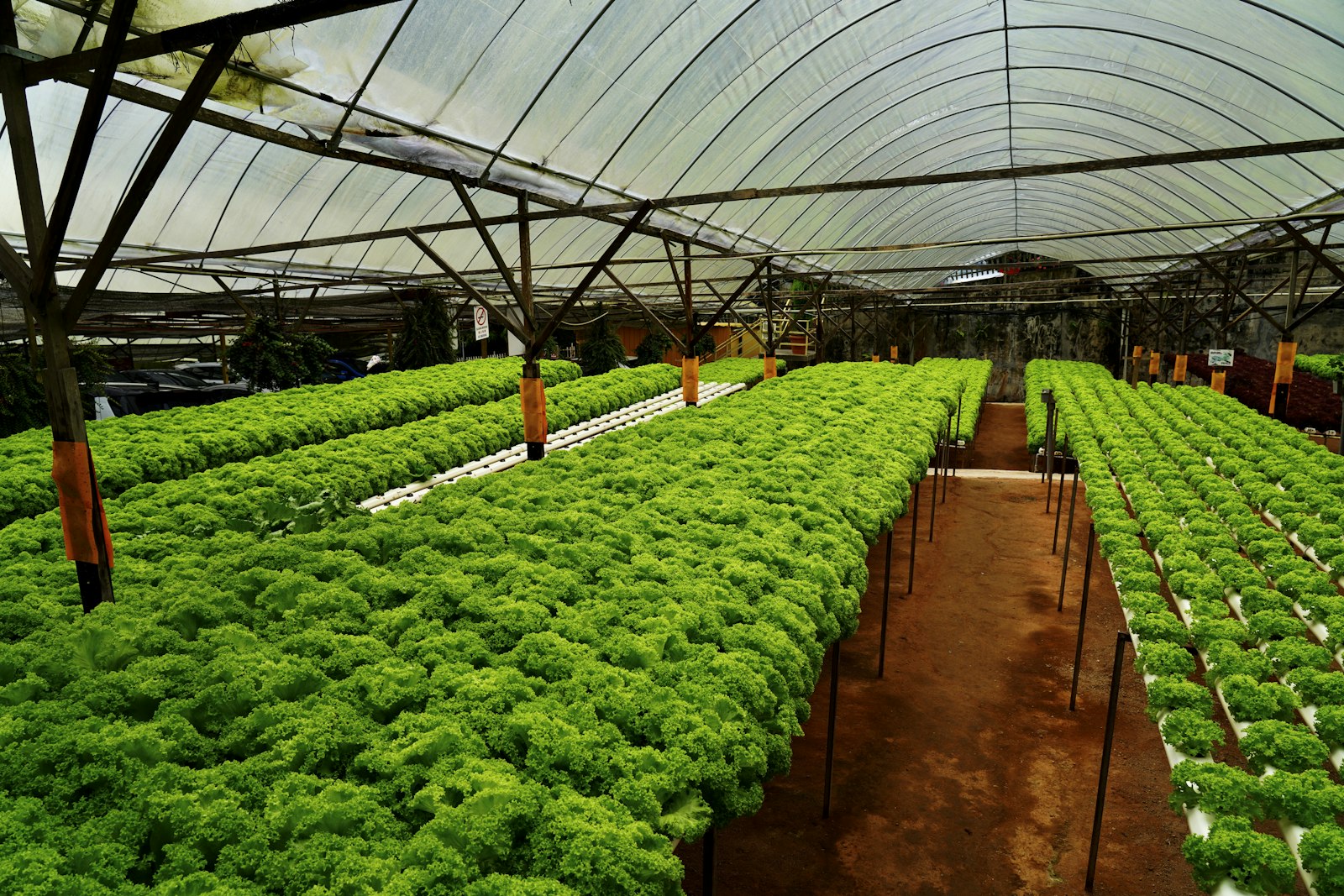
Understanding EC and pH
EC and pH are the two numbers that decide your hydroponic success. Learn what they mean, which values to target per crop, and how to adjust them easily in a home tower.
 💧 Nutrients & water
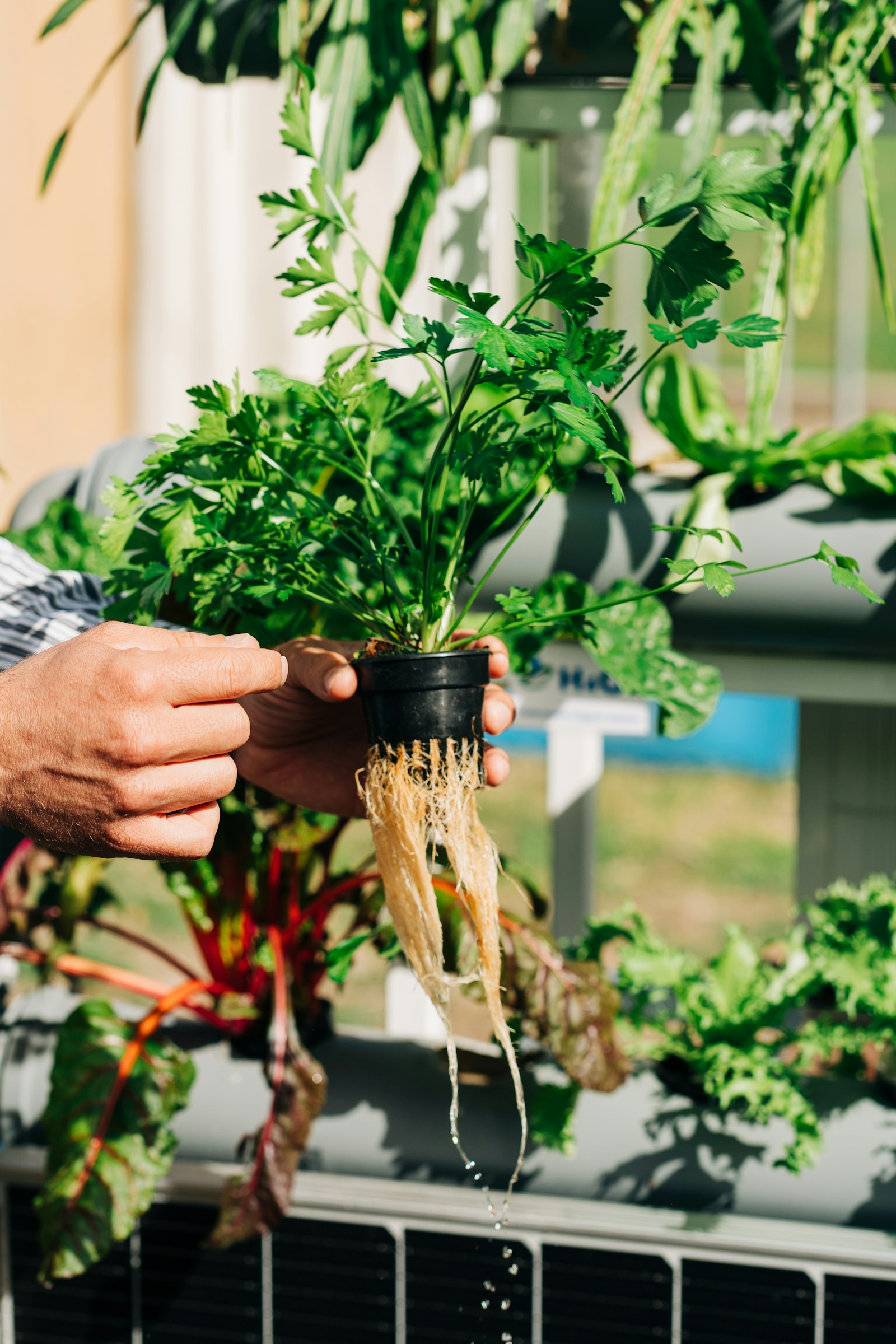
Water quality in hydroponics (chlorine, hardness, RO water)
Water sets the foundation of every hydroponic solution. Learn how chlorine, chloramine, hardness and RO water affect your tower, and how to prepare ideal base water in a few steps.
💧 Nutrients & water
How to mix and dose liquid nutrients
Step by step to a perfect solution: mixing order, the A-then-B rule, a per-crop dosing table, and the most common mistakes to avoid.