
Hydroponics vs. soil growing
Faster growth and less water versus forgiving, cheap soil. An honest comparison of pros and cons, plus the flavour and health myth.
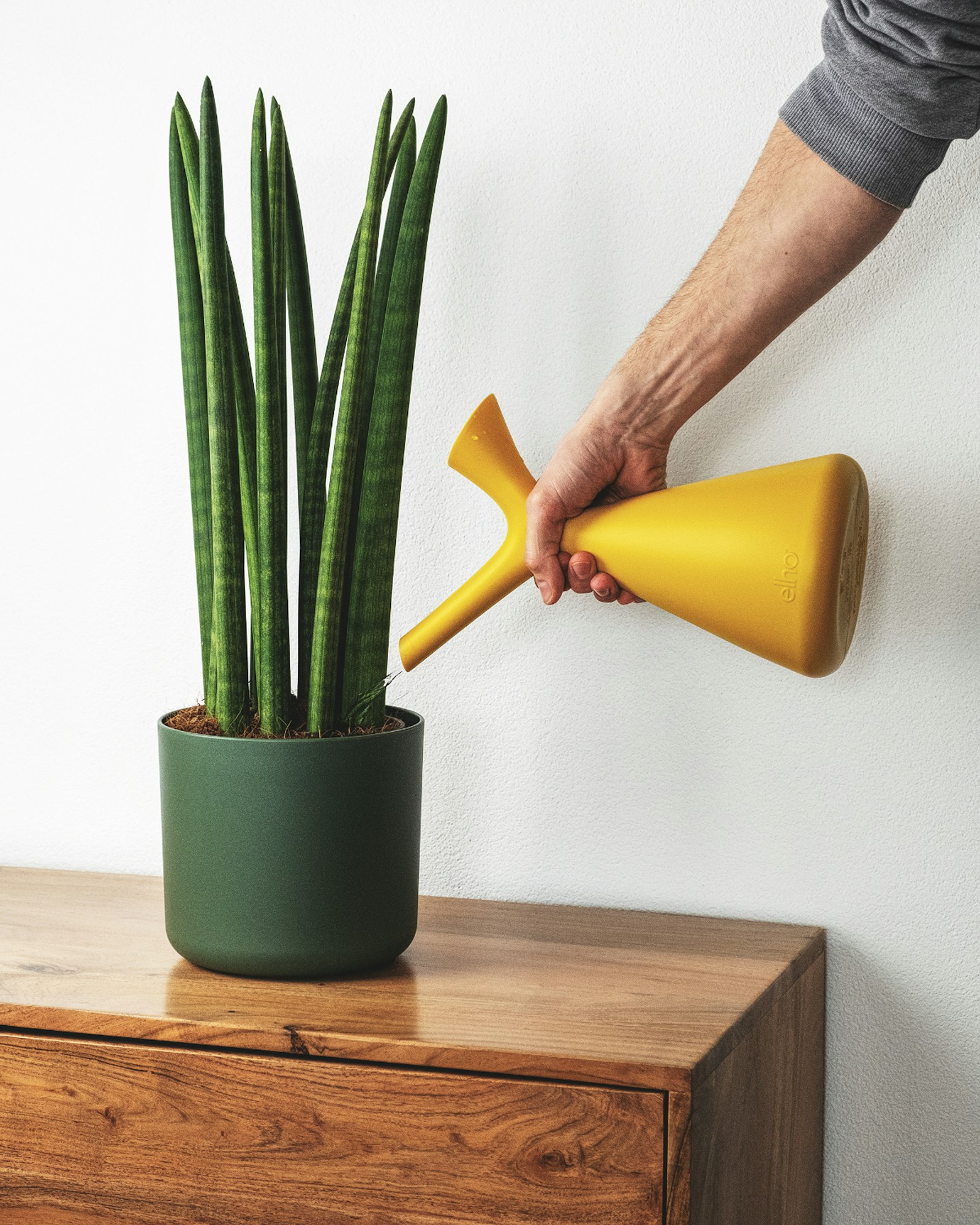
Soil has worked for thousands of years, so why change it? Because in a small space hydroponics often means faster growth, less water, and a cleaner harvest. But it isn't black and white - here's an honest comparison.
Two philosophies of growing
In soil growing, the earth does everything: it holds the plant, retains water, stores nutrients, and houses the microorganisms that break them down. It's a complex, living system, but also unpredictable - you can't see the nutrients, and problems often surface too late.
In hydroponics, you take over the role of the soil. Nutrients, water, and oxygen reach the roots directly, in amounts you control. Less is left to chance, but it asks for a little more attention. (The basics are explained in What is hydroponics.)
Comparing the key criteria
| Criterion | Hydroponics | Soil growing |
|---|---|---|
| Growth speed | 30 - 50% faster | Standard |
| Water use | Up to 90% less (recirculation) | Higher (evaporation, runoff) |
| Yield per m² | Higher (especially vertical) | Lower |
| Weeds | Practically none | Constant weeding |
| Soil pests/diseases | Much fewer | More common |
| Nutrient control | Precise (EC/pH) | Indirect, slower |
| Upfront cost | Higher (pump, meters) | Lower |
| Learning curve | Need to learn pH/EC | More intuitive |
| Indoor growing | Excellent (with LED) | Difficult |
Where hydroponics shines
- Speed and yield. The roots have constant access to food, so they don't waste energy "searching" through soil. Many salads and herbs grow 30 - 50% faster, and a vertical tower multiplies yield per square metre.
- Water. A closed system recirculates the solution and uses up to 90% less water than a garden bed - a big advantage in summer and on a balcony.
- Cleanliness. No soil means no mud, no weeds, and none of the many soil-borne diseases. The harvest is cleaner and the plants are healthier.
- Control. EC and pH give you a "dashboard" for growth; problems are visible and fixable fast. See the EC and pH guide.
- Year-round and indoors. With LED lighting you harvest even in winter, regardless of the weather. Useful too for growing without natural light.
Where soil still has the edge
Let's be fair - soil isn't obsolete:
- Lower upfront cost. A pot, soil, and seeds are cheaper than a pump and meters.
- Forgiving. Soil is a buffer that cushions mistakes; if you forget to water for a day or two, the plant copes more easily.
- No reliance on power. A hydroponic pump needs electricity; a long power cut is a problem, especially with NFT and aeroponics.
- Large, deep-rooted crops. Potatoes, carrots, and the like grow more naturally in soil.
- Microbial richness. Healthy soil carries a living ecosystem that hydroponics deliberately leaves out.
The flavour and health myth
You often hear that hydroponic produce is "watery" or "chemical". The truth is the opposite: the plant absorbs the same minerals it would from soil, just in a cleaner, controlled form. Flavour depends mainly on the variety, light, freshness, and a proper solution - and with a balanced EC and pH, hydroponic growing delivers equally tasty, often more nutritious produce. Fertilisers are mineral salts, the same ones roots find in fertile soil.
What it really costs - and whether it pays off
Hydroponics asks for a bigger upfront investment (tower, pump, meters, nutrients), but over a season it pays back through:
- lower water use,
- more harvests per year (faster cycles),
- zero spend on herbicides and less on protection,
- fresh herbs and salads "within reach" instead of buying them.
For a balcony in Croatia, where space is limited and summers are dry, a vertical tower is often a more cost-effective choice than several pots that need daily watering in summer.
What about the environment and sustainability?
The sustainability question can cut both ways. In hydroponics' favour: dramatic water savings (up to 90%), no fertiliser runoff into groundwater, less need for pesticides, and the ability to grow in the city - closer to the consumer, with no transport. On a balcony in Croatia that means fresh salad without a single kilometre to the shop.
On the other hand, hydroponics uses electricity for the pump and, indoors, for lighting. Mineral fertilisers are produced industrially. If your ecological footprint matters, favour a system that uses natural light and renewable energy. On balance, for growing vegetables in a small space, hydroponics is usually more efficient per litre of water and per square metre than a classic garden bed.
Typical real-world situations
To ground the comparison, here are a few real scenarios:
- A flat with no garden, a small balcony. A hydroponic tower is almost unrivalled - fresh herbs and salads with minimal space.
- A house with a garden. The combination is ideal: a tower in the kitchen for everyday herbs, the garden for potatoes, courgettes, and deep-rooted crops.
- A weekend cottage without a steady power supply. Soil is more reliable, as it doesn't depend on a pump that needs electricity.
- Growing in winter. Hydroponics with LED has no equal - fresh harvests even in December, while the garden is under snow.
Time and effort: which is more demanding?
It's a myth that hydroponics is "more work". The truth is the work is different. In soil you spend time weeding, hoeing, watering, and fighting soil diseases. In hydroponics there's no weeding or hoeing; instead you occasionally check pH and EC and change the solution. For most home growers the total time is similar or less, and the work is cleaner and more predictable. More on keeping the system clean in Cleaning and algae.
Which method should you choose?
- Choose hydroponics if you want fast growth, a clean harvest year-round, little space, and you enjoy a bit of technology.
- Choose soil if you want the cheapest start, grow deep-rooted crops, or lack reliable power.
- Or both - many keep a tower of salads and herbs in the kitchen, and pots of tomatoes in the sun.
If hydroponics appeals to you, start with the Beginner's guide and pick the best plants for beginners.
Key takeaways
- Hydroponics offers faster growth (30 - 50%), up to 90% less water, higher yield per m², and a cleaner harvest.
- Soil is cheaper to start, forgiving, and doesn't depend on power.
- Flavour and health aren't worse - the plant absorbs the same minerals, just in a controlled way.
- For balconies and indoor spaces, hydroponics (especially the vertical tower) usually wins.
- The best choice depends on space, crop, and how much control you want - and combining both is perfectly valid.
Related articles
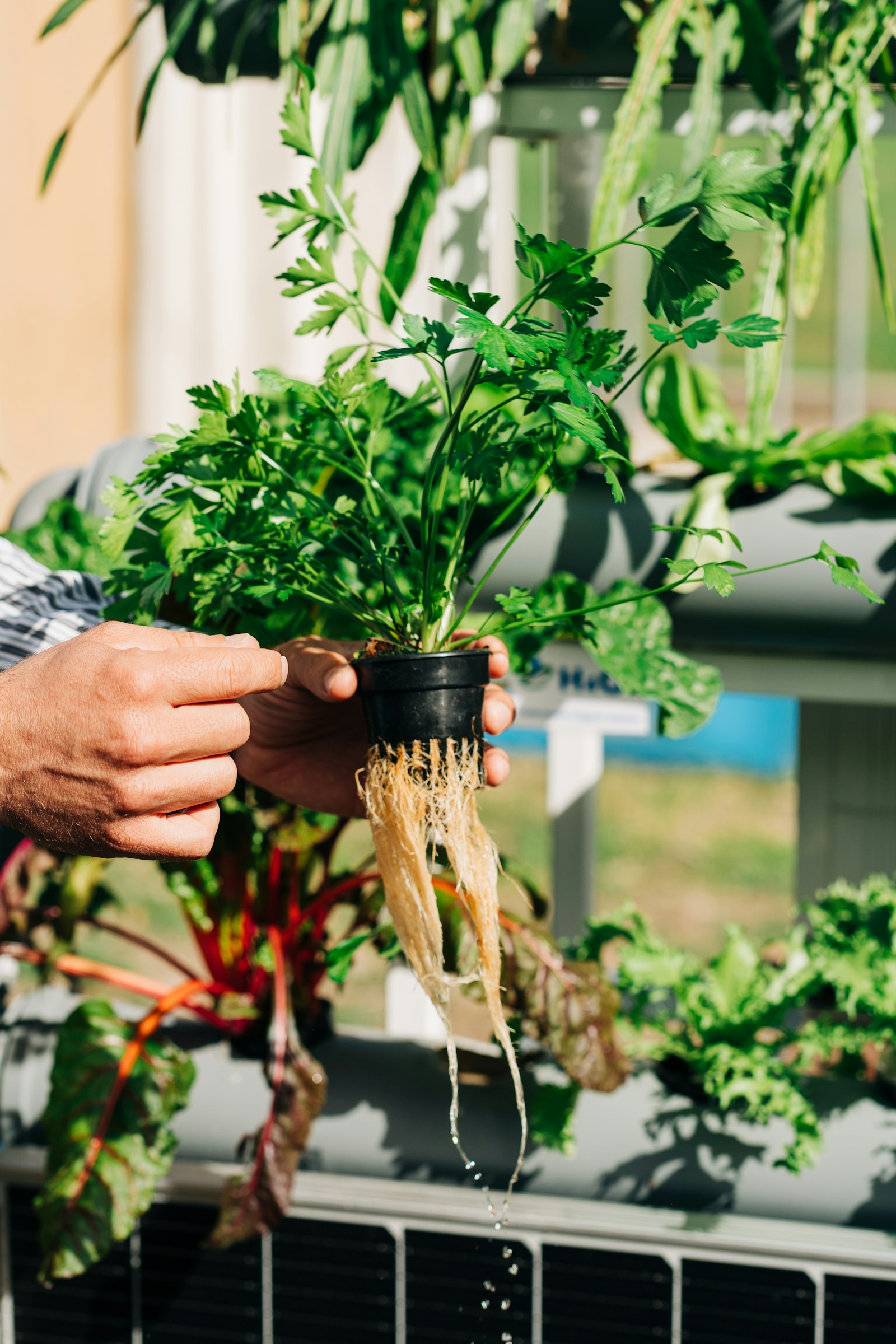 📘 Hydroponics basics
What is hydroponics and how it works
Soil-free growing sounds futuristic, but it comes down to three simple things: water, nutrients, and oxygen. Here's how hydroponics works and why it grows faster.
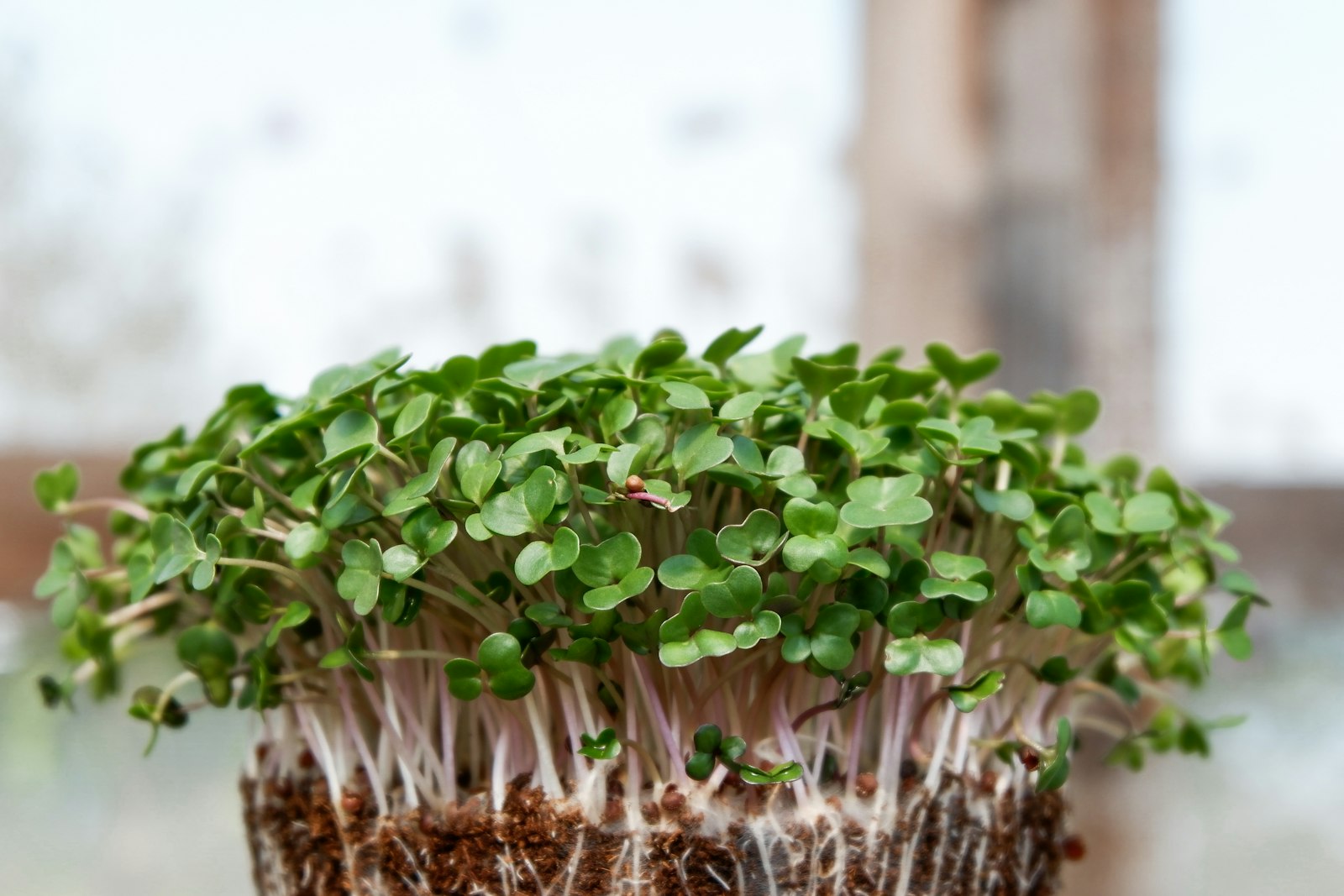 📘 Hydroponics basics
Beginner's guide: starting your first tower
From box to first harvest in a few clear steps: assembly, germination, mixing the solution, and a weekly routine that takes just a few minutes.
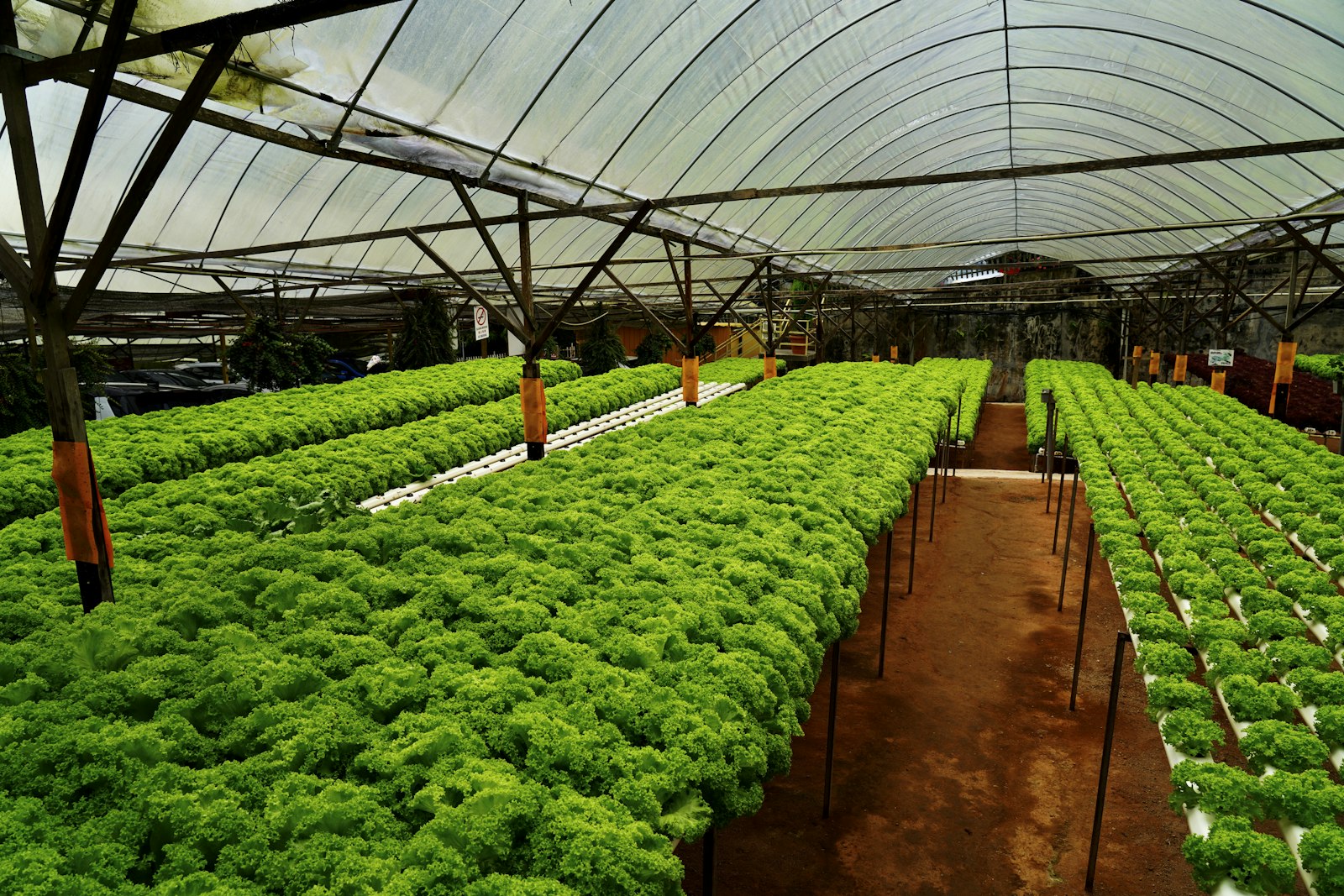 📘 Hydroponics basics
Types of hydroponic systems (NFT, DWC, aeroponics, vertical towers)
NFT, DWC, aeroponics, and vertical towers - each delivers water, nutrients, and oxygen its own way. A comparison of pros, cons, and which to pick for the home.