
Types of hydroponic systems (NFT, DWC, aeroponics, vertical towers)
NFT, DWC, aeroponics, and vertical towers - each delivers water, nutrients, and oxygen its own way. A comparison of pros, cons, and which to pick for the home.
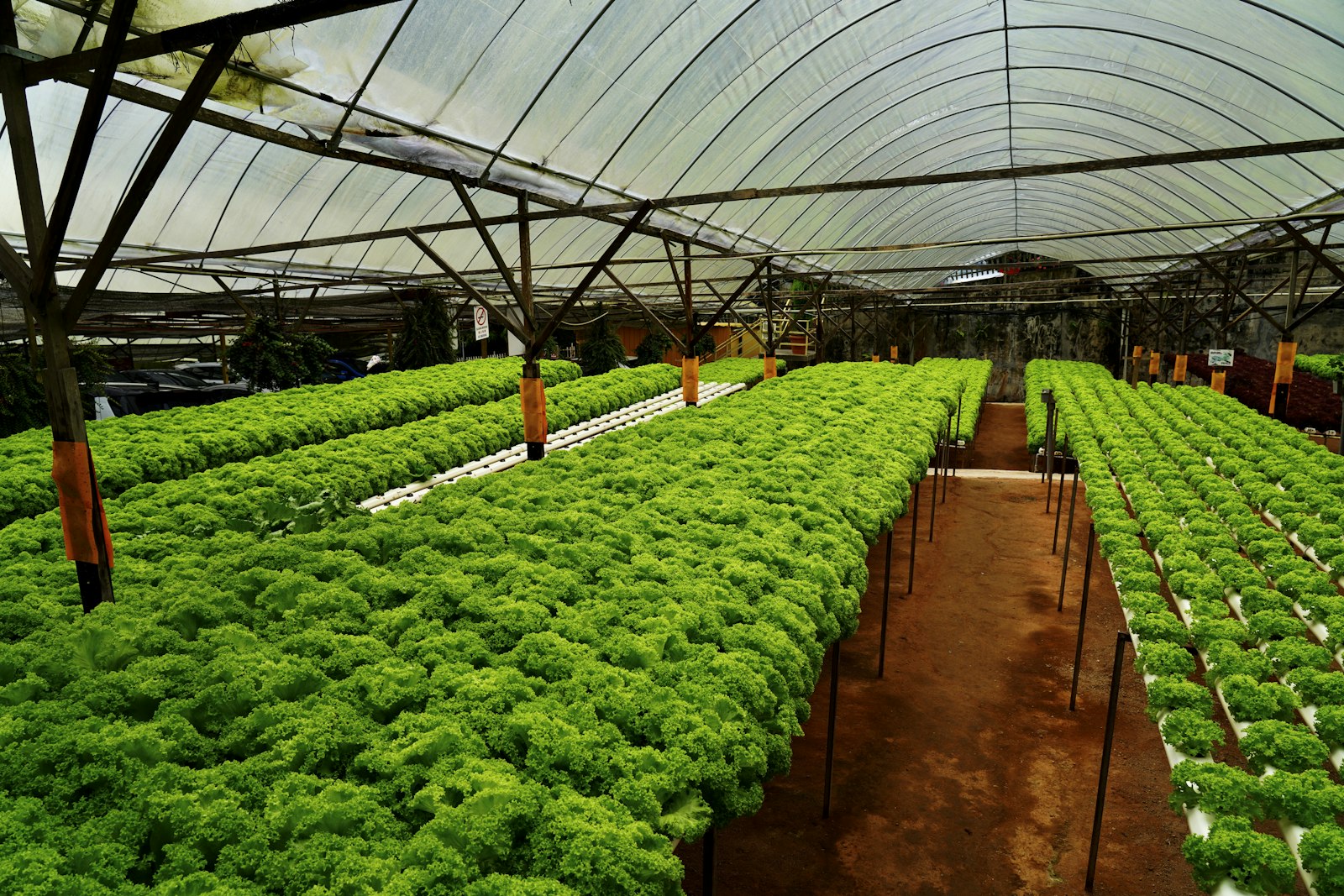
NFT, DWC, aeroponics, vertical towers - hydroponic jargon can sound intimidating. But behind the acronyms are just different ways of getting the same three ingredients (water, nutrients, oxygen) to the roots. Here's an overview, plus advice on which system to pick for the home.
The common thread in every system
Whatever the design, every hydroponic system solves the same task: give the roots nutrients, water, and oxygen in balance. They differ only in how they deliver the solution and how much they expose the roots to air. More oxygen means faster growth - but also more risk if something fails.
NFT - Nutrient Film Technique
In NFT, a thin layer ("film") of solution flows continuously through tilted channels, and the roots lie in that stream while their tips hang in the air.
- Pros: very water-efficient, excellent for shallow-rooted leafy greens and strawberries, great oxygenation.
- Cons: sensitive to power cuts - if the pump stops, the film dries out within minutes. Not ideal for heavy fruiting plants.
- Best for: leafy greens, lettuce, herbs.
DWC - Deep Water Culture
DWC is the simplest concept: the roots sit permanently in a well-aerated solution, with oxygen supplied by an air pump (a "bubbler" system).
- Pros: the cheapest and most forgiving system, ideal for first steps, few moving parts.
- Cons: water temperature must be controlled (warm water = little oxygen), less practical for large numbers of plants.
- Best for: absolute beginners, lettuce, and even heavier fruiting plants like tomatoes and peppers.
Aeroponics - roots in a mist
In aeroponics the roots hang in the air and nozzles mist them with a fine solution at intervals. This gives the most oxygen and, as a rule, the fastest growth.
- Pros: top-tier oxygenation, very fast growth, minimal water use.
- Cons: the most technically demanding - a clogged nozzle or a brief power cut can leave the roots dry and threaten the whole crop. The biggest risk for beginners.
- Best for: advanced enthusiasts and commercial growers.
Vertical towers - hydroponics for the home
The vertical tower takes the best of the above and packs it into a home-friendly shape. The reservoir is at the bottom, a pump lifts the solution to the top, and it trickles down by gravity over the roots of plants arranged in tiers. Many towers work on a principle similar to aeroponics or drip, but far simpler and safer.
- Pros: maximum use of space (grows upward), a dozen or more plants on half a square metre, low water and power use, easy maintenance.
- Cons: limited for very large fruiting plants; upper tiers need even light.
- Best for: home growers, balconies, kitchens, urban spaces.
dojdi towers come in heights of 50, 100, 150 and 200 cm, with or without built-in LED lighting - so they work both by a window and in a fully enclosed space. See them in the shop.
Comparison at a glance
| System | Complexity | Cost | Best for | Main risk |
|---|---|---|---|---|
| DWC | Low | Low | Beginners, salads, fruiting plants | Warm water loses oxygen |
| NFT | Medium | Medium | Leafy greens, strawberries | Power cut dries the film |
| Aeroponics | High | Higher | Advanced, fast growth | Clogged nozzles, dry roots |
| Vertical tower | Low - medium | Medium | Home, balcony, space saving | Even light for all tiers |
There are simpler systems too
A few "gentler" approaches are worth mentioning, often used on their own or in combination:
- Drip: solution drips onto the medium around each plant. Flexible, works with fruiting plants too.
- Ebb & flow: a tray periodically floods with solution and then drains. Robust and forgiving.
- Wick system: solution rises by capillary action through a wick to the medium. No pump, but slower - good for very small plants.
How to choose the right system
Ask yourself three questions:
- How much space do I have? Little space → a vertical tower. A shelf or bench → DWC or drip.
- What do I want to grow? Salads and herbs → any system. Heavy fruiting plants → DWC or drip with support.
- How much do I want to tinker? Less maintenance → DWC or a ready-made tower. Love the tech → NFT or aeroponics.
For most home growers in Croatia the answer is a vertical tower: it fits on a balcony, saves water, and needs minimal upkeep. If you're just starting, work through the Beginner's guide, and you'll find the basics of the whole story in What is hydroponics.
The role of the growing medium in every system
Whatever the system, roots often need an initial anchor until they strengthen. That's where inert media come in - materials that don't feed the plant but simply hold it and manage the moisture and air around the roots:
- Rockwool - the classic for germination, holds moisture well; rinse it and balance the pH before sowing.
- Expanded clay (LECA) - clay pebbles, reusable, with excellent root aeration; popular in DWC and towers.
- Coconut coir - a sustainable alternative with a good balance of water and air.
- Perlite and vermiculite - lightweight volcanic/mineral materials, often used in mixes.
- Sponges - simple for beginners, ideal for seed germination.
The choice of medium affects how often the system needs to water and how much air the roots get. Systems with more air (NFT, aeroponics) need less medium; those where the roots sit still (DWC) call for a stable anchor.
Water and energy use
A shared advantage of all hydroponic systems is recirculation - the same solution is reused, so water consumption drops by up to 90% compared with a classic garden bed. Differences in electricity use are small, because the pumps in home systems draw just a few watts. The biggest "hidden" consumer is lighting if you grow indoors - but modern LEDs are very efficient. More in the LED lighting guide.
Although the systems differ technically, you track the same parameters in all of them: pH 5.5 - 6.5, EC per the plant, and water temperature 18 - 22 °C. Master those three numbers and switching from one system to another is easy. See the EC and pH guide and Temperature, humidity and air.
Key takeaways
- Every system solves the same thing: delivering water, nutrients, and oxygen to the roots, just in different ways.
- DWC is the simplest and cheapest; NFT is great for leafy greens; aeroponics is the fastest but riskiest.
- The vertical tower is the most practical for the home - saving space, water, and time.
- Let space, plant type, and your appetite for maintenance guide your choice.
- For beginners we recommend DWC or a ready-made vertical tower.
Related articles
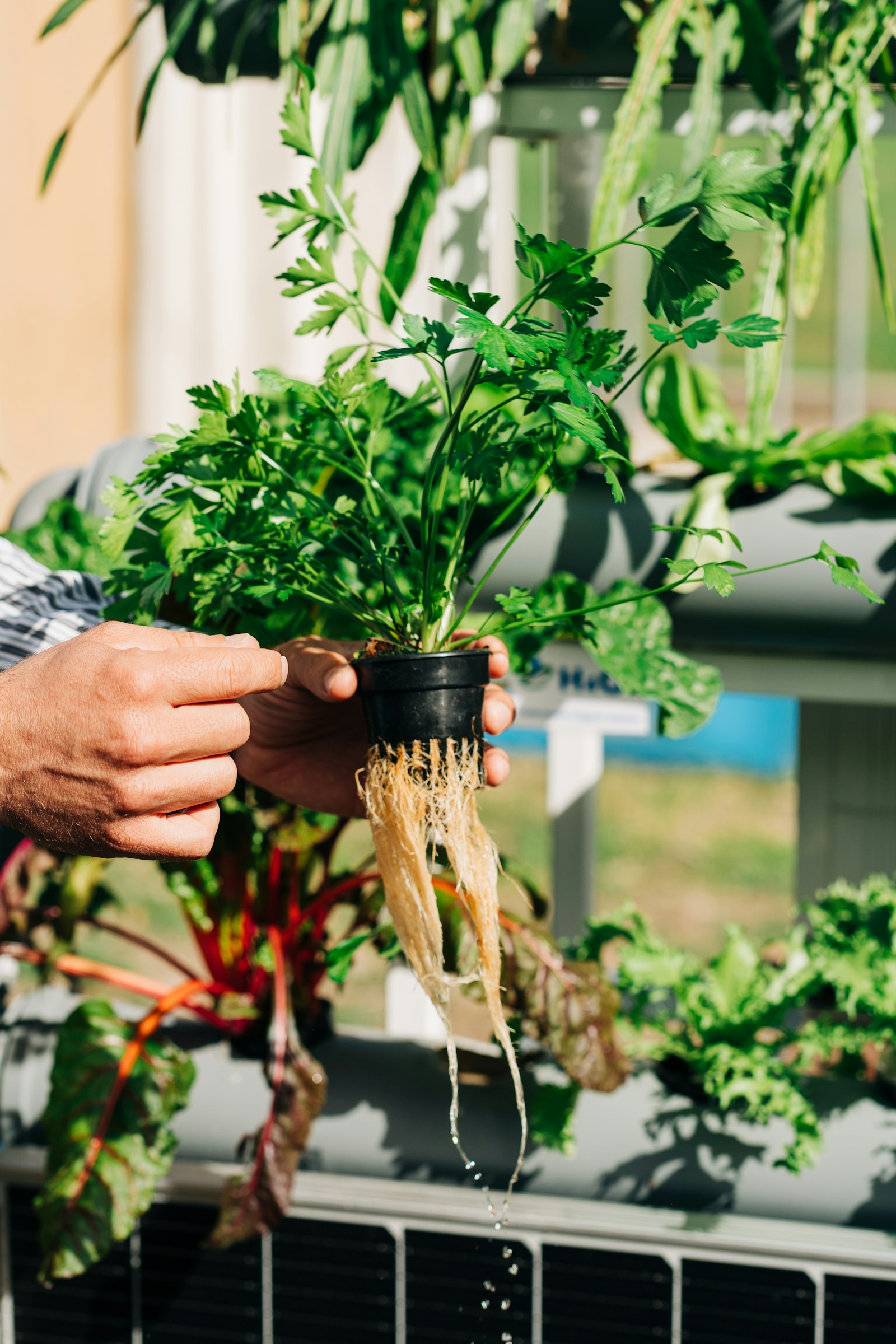 📘 Hydroponics basics
What is hydroponics and how it works
Soil-free growing sounds futuristic, but it comes down to three simple things: water, nutrients, and oxygen. Here's how hydroponics works and why it grows faster.
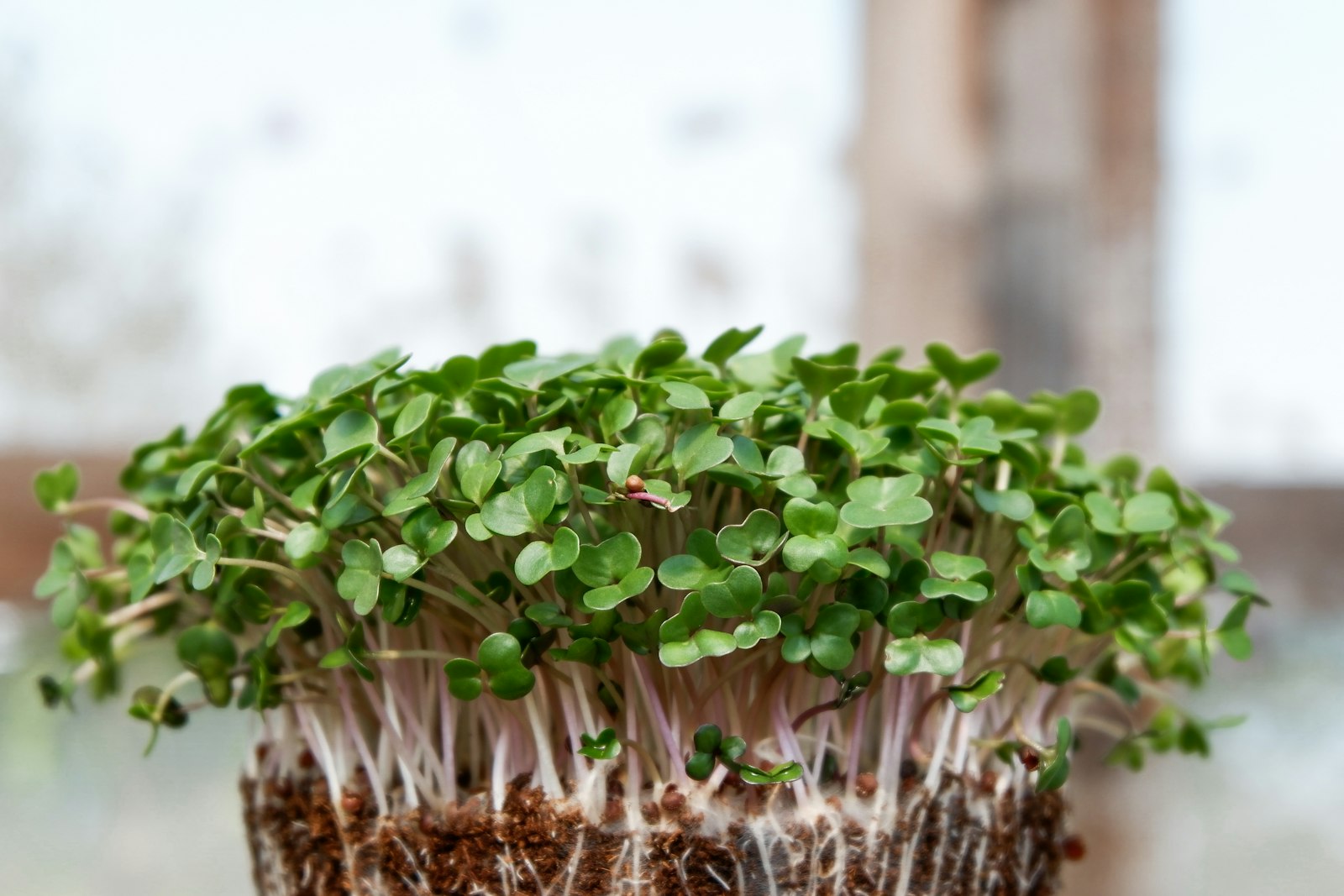 📘 Hydroponics basics
Beginner's guide: starting your first tower
From box to first harvest in a few clear steps: assembly, germination, mixing the solution, and a weekly routine that takes just a few minutes.
 📘 Hydroponics basics
Hydroponics vs. soil growing
Faster growth and less water versus forgiving, cheap soil. An honest comparison of pros and cons, plus the flavour and health myth.