
What is hydroponics and how it works
Soil-free growing sounds futuristic, but it comes down to three simple things: water, nutrients, and oxygen. Here's how hydroponics works and why it grows faster.
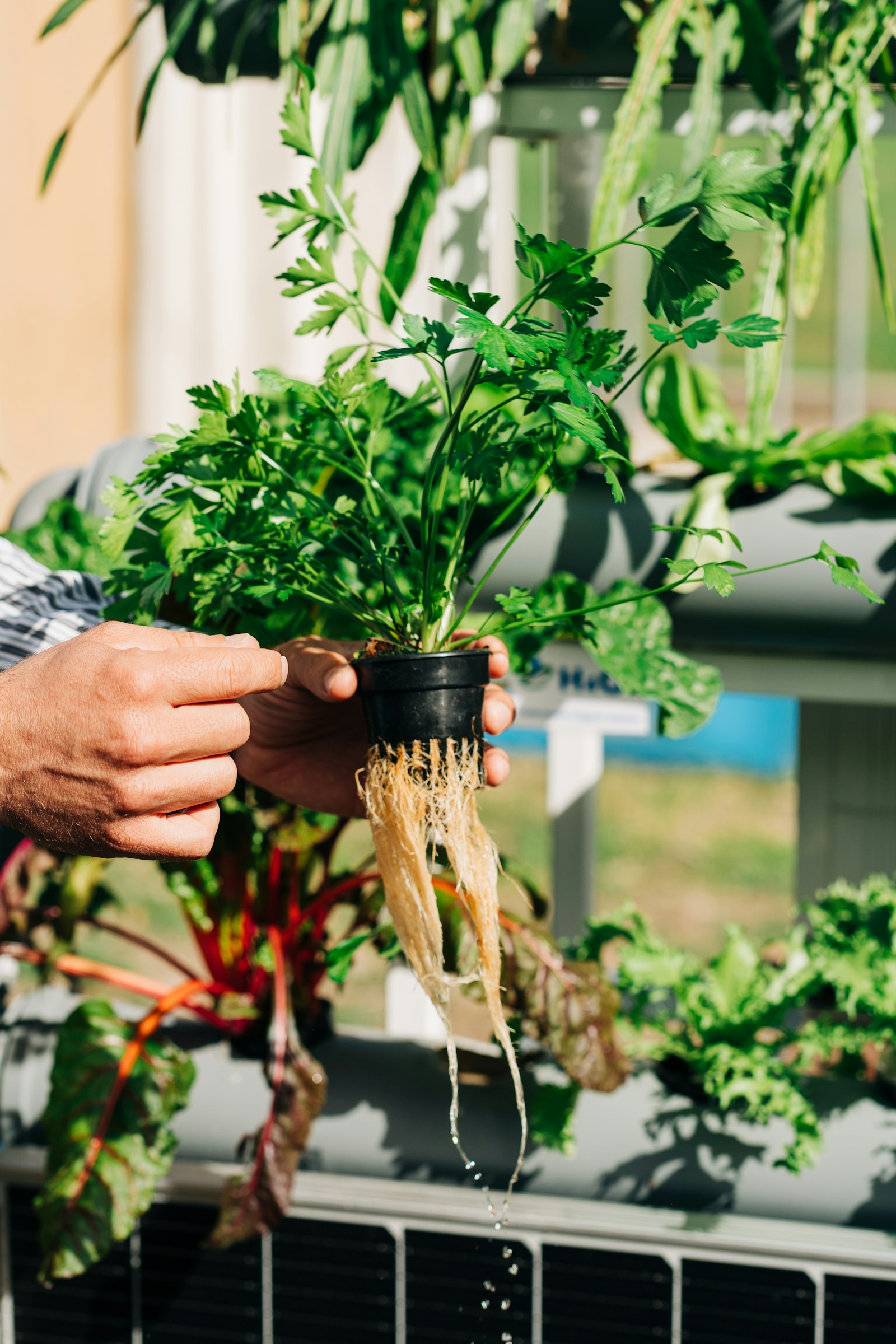
Picture a head of lettuce that grows twice as fast, with no soil, no weeding, and up to 90% less water. That's not science fiction - it's hydroponics, a growing method that's quietly moving onto balconies and into kitchens.
What is hydroponics?
Hydroponics is growing plants without soil, where the roots are fed by a water solution enriched with mineral nutrients instead of earth. The word comes from the Greek hydro (water) and ponos (labour), so it literally means "water working".
A plant doesn't actually need soil. Soil is just a container for three things: water, dissolved nutrients, and oxygen for the roots. Hydroponics delivers those three things directly, in precisely measured amounts, so the plant doesn't waste energy hunting for food through the dirt and can redirect it into growth instead.
How it works in practice
Every hydroponic system, however simple or advanced, revolves around the same cycle:
- Nutrient solution - water with mineral fertilisers added (nitrogen, phosphorus, potassium, plus micronutrients like iron and magnesium).
- Delivery to the roots - the solution reaches the roots by pump or gravity, either continuously or in intervals.
- Oxygen - roots have to breathe, so the solution is aerated or the roots are exposed to air between waterings.
- Recirculation - excess solution flows back into the reservoir and gets reused, so almost nothing is wasted.
Instead of soil, the plant is held by an inert growing medium - rockwool, expanded clay (LECA), coconut coir, or perlite. It only provides physical support; all the food arrives in the water.
Three key numbers to track
Hydroponics sounds technical, but it comes down to three values that soon become routine:
| Parameter | Optimal range | Why it matters |
|---|---|---|
| pH | 5.5 - 6.5 | Decides whether the plant can absorb nutrients at all |
| EC (solution strength) | 1.2 - 2.0 mS/cm for leafy greens | Shows how much food is in the water |
| Water temperature | 18 - 22 °C | Warm water loses oxygen and encourages algae |
Lettuce and leafy greens like the lower end of the pH range (around 5.5 - 6.0) and a weaker solution (1.2 - 1.6 mS/cm), while fruiting plants like tomatoes want a stronger mix. More on this in the EC and pH guide and Nutrient solution and elements.
Why people switch to hydroponics
- Faster growth - with no soil resistance and constant access to food, many plants grow 30 - 50% faster.
- Less water - a closed system recirculates the solution, using up to 90% less water than a classic garden bed.
- No weeds, fewer pests - no soil means no weed seeds and none of the many diseases that live in the ground.
- Year-round growing - with LED lighting you can harvest fresh herbs even in January.
- Saves space - vertical towers grow upward, so a dozen plants fit on half a square metre of balcony.
What hydroponics is not
Let's clear up a few common misconceptions:
- It's not "chemical" or unhealthy. The plant absorbs the same minerals it would from soil - just in a cleaner, controlled form. Flavour and nutritional value stay the same or improve.
- It's not complicated for beginners. Modern home systems automate the pump and watering; your job is to top up the water and check the pH now and then.
- It doesn't run itself. Water and nutrients have to stay balanced. That's a few minutes a week, not a daily chore.
A typical home setup: the vertical tower
The most practical form for the home is the vertical hydroponic tower. The reservoir sits at the bottom, a pump lifts the water to the top, and it then trickles down by gravity across the roots of plants arranged in "tiers". This way a single 100 - 200 cm dojdi tower can carry a dozen to twenty plants with minimal water and electricity.
If you want to see how it's assembled from scratch, start with the Beginner's guide, and for an overview of all the designs see Types of hydroponic systems. Curious how it compares to soil? There's also Hydroponics vs. soil growing.
What the plant actually "eats"
To understand why hydroponics works at all, it helps to know what a plant needs. Whether it grows in soil or water, a plant builds itself from the same building blocks:
- Macronutrients - nitrogen (N), phosphorus (P), and potassium (K) are used in the largest amounts. Nitrogen builds leaves and green mass, phosphorus drives roots and flowering, and potassium strengthens the plant and improves the fruit.
- Secondary nutrients - calcium, magnesium, and sulphur; magnesium, for example, sits at the heart of the chlorophyll molecule.
- Micronutrients - iron, manganese, zinc, boron, copper, and others, needed in tiny traces but crucial for plant health.
In soil, these elements come from the breakdown of organic matter and minerals - slowly and unevenly. In hydroponics you deliver them already dissolved, in a form the plant can use directly. Ready-made dojdi mixes balance these ratios by plant type - salads want more nitrogen, fruiting plants and flowers more potassium. Read more about the individual elements in Nutrient solution and elements, and about spotting shortages in Nutrient deficiencies.
A short history (so you don't think it's a passing fad)
Hydroponics is not a 21st-century invention. The Hanging Gardens of Babylon and the Aztec "floating gardens" (chinampas) already used the principles of water-based growing. The method took scientific shape in the 19th century, when researchers discovered that plants need specific mineral elements, not "soil" itself. The name hydroponics was popularised in the 1930s by the Californian scientist William Frederick Gericke. Today the same principles are used everywhere from space research (NASA grows plants in zero gravity) to commercial greenhouses and, increasingly, home balconies.
Key takeaways
- Hydroponics is soil-free growing - the roots are fed by a water solution with mineral nutrients.
- The three things you track: pH (5.5 - 6.5), EC (solution strength), and water temperature (18 - 22 °C).
- Main benefits: faster growth, up to 90% less water, no weeds, and year-round harvests.
- For the home, the vertical tower is the most practical - space-saving and easy to maintain.
- It's neither "chemical" nor complicated; with a few minutes of care a week it delivers excellent results.
Related articles
 📘 Hydroponics basics
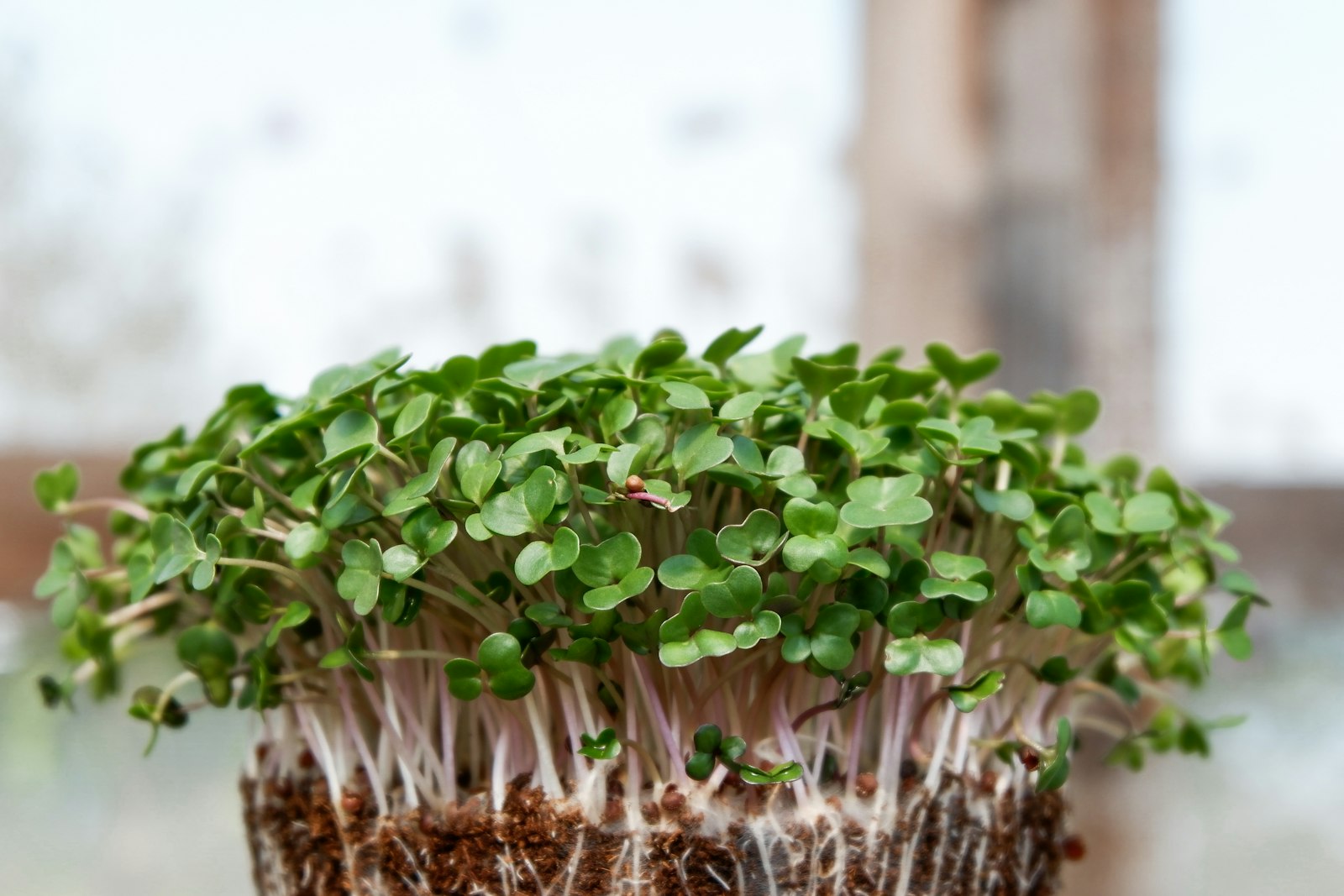
Beginner's guide: starting your first tower
From box to first harvest in a few clear steps: assembly, germination, mixing the solution, and a weekly routine that takes just a few minutes.
 📘 Hydroponics basics
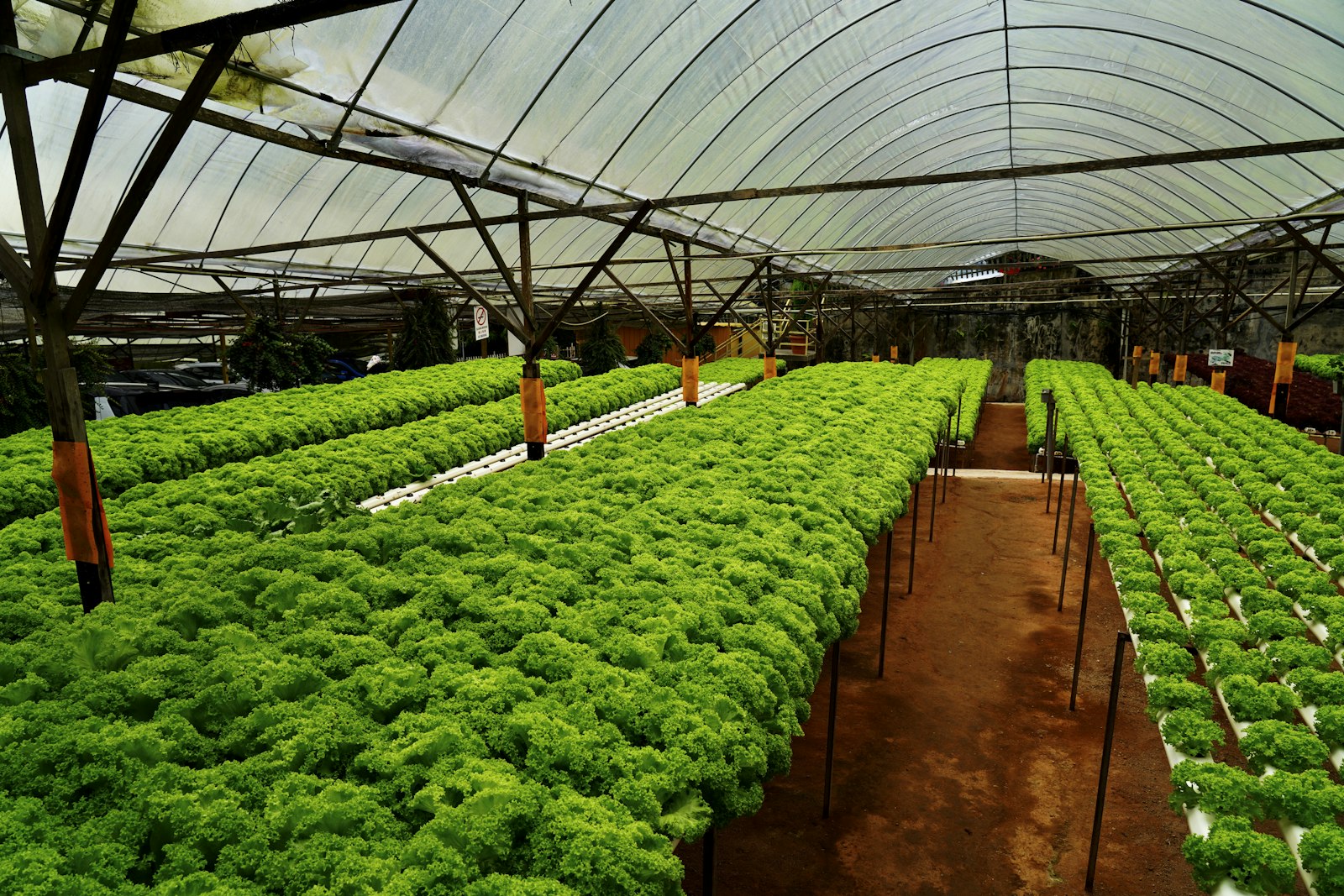
Types of hydroponic systems (NFT, DWC, aeroponics, vertical towers)
NFT, DWC, aeroponics, and vertical towers - each delivers water, nutrients, and oxygen its own way. A comparison of pros, cons, and which to pick for the home.
 📘 Hydroponics basics
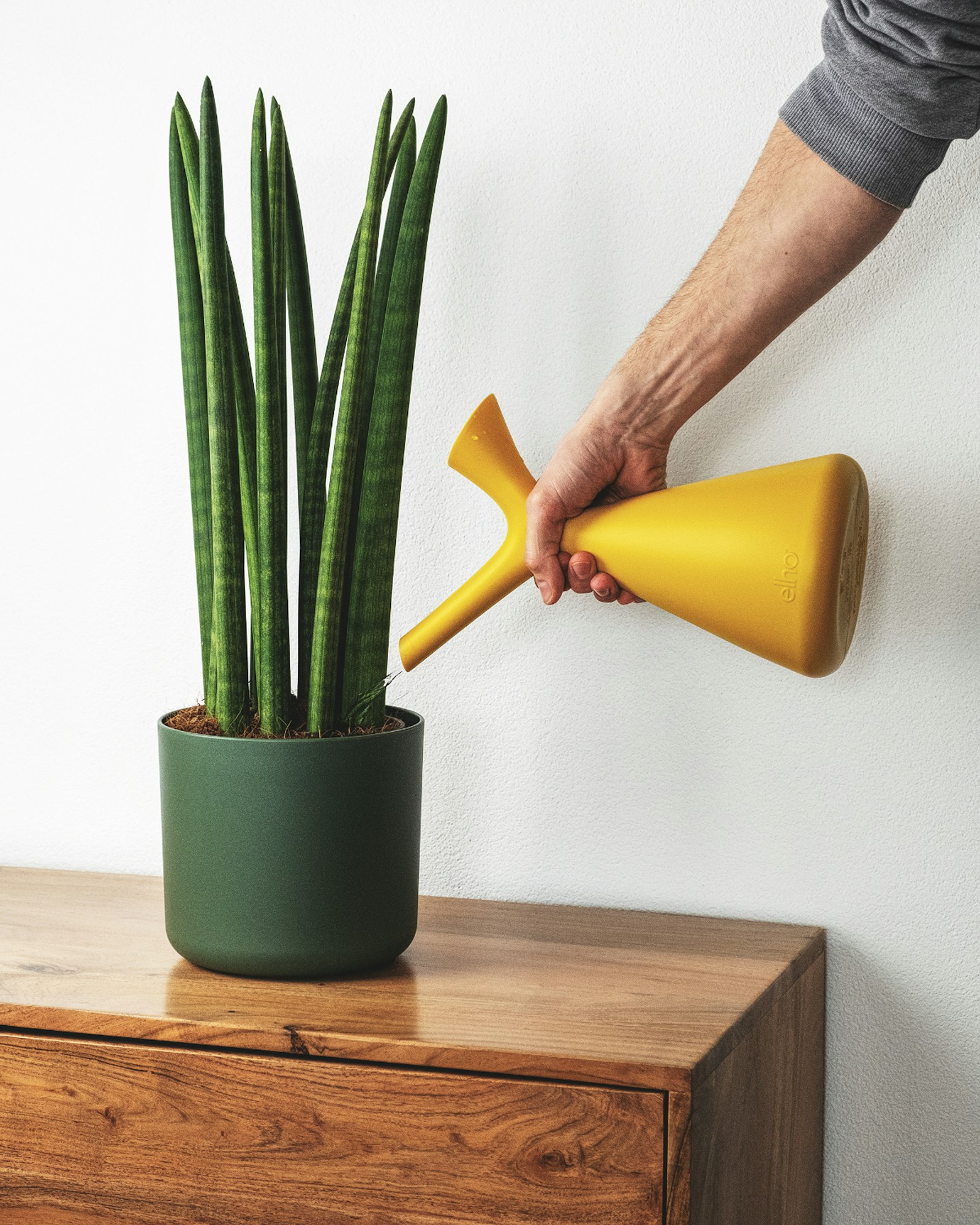
Hydroponics vs. soil growing
Faster growth and less water versus forgiving, cheap soil. An honest comparison of pros and cons, plus the flavour and health myth.