
Flowers and ornamental plants in hydroponics
Hydroponics isn't only for lettuce and herbs — a tower can bloom. Petunias, marigolds, begonias and nasturtiums bring colour indoors all year. Learn how much light they need, which EC and pH they like, and how to coax abundant flowering.
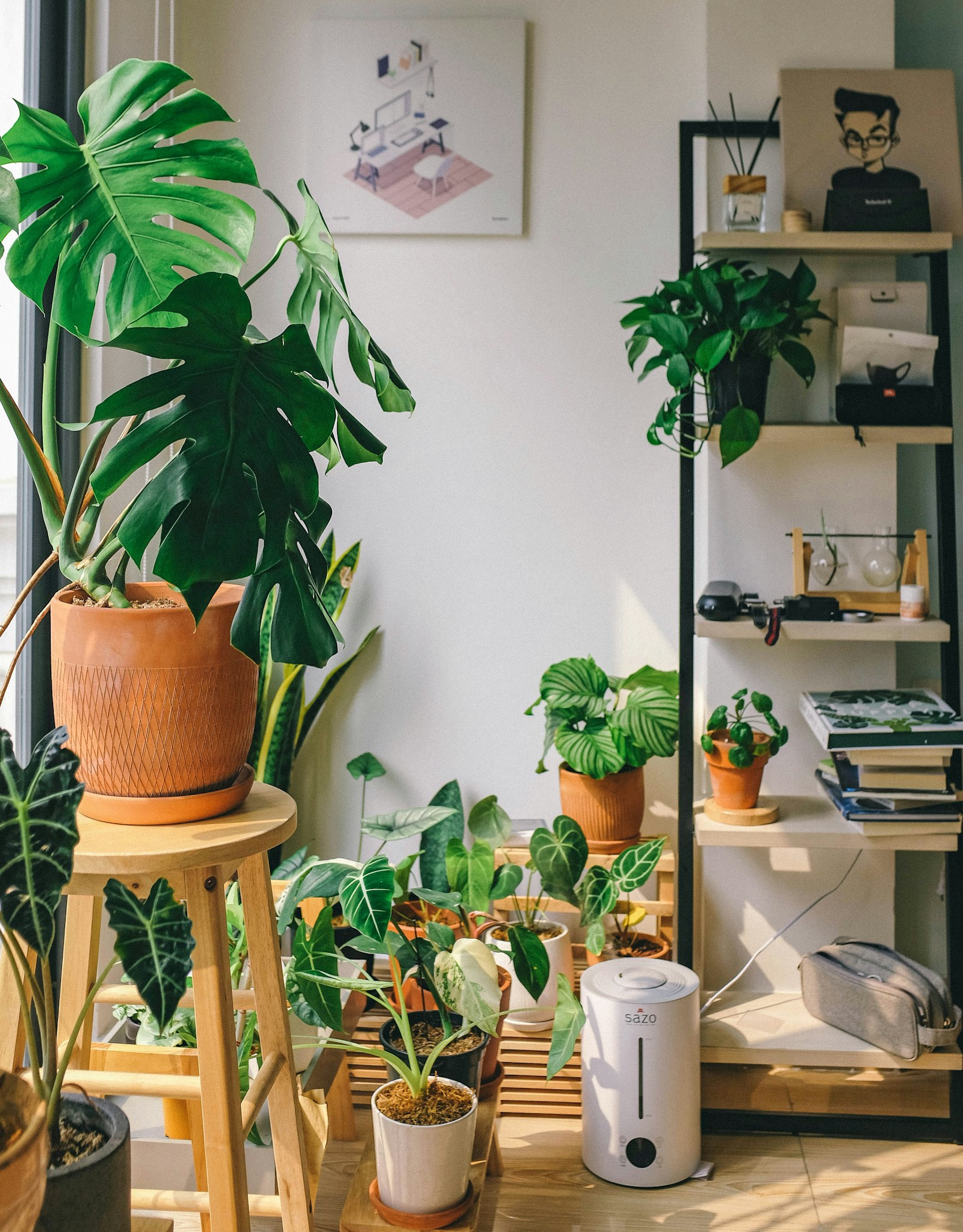
Flowers in a tower — more than decoration
When we think of hydroponics, lettuce and basil come to mind first. But a vertical tower carries flowers just as beautifully. Picture a column of petunias in full bloom in the middle of your living room, or edible nasturtium flowers dressing up a salad. Flowers in hydroponics grow faster than in soil, bloom longer under the right light, and free you from weeding, mud and weekend-dry soil.
Some ornamentals also pull their weight practically: marigolds (Tagetes) repel some pests with their scent, while edible nasturtium and begonia flowers garnish a plate. Flowers are also a great way to learn the rhythm of a plant moving from leaf to bloom — valuable practice before you tackle strawberries or tomatoes.
Light is decisive
The main difference between leafy greens and flowers is the demand for light. Leaves grow even under modest light, but abundant flowering requires far more energy. In hydroponics we measure this as the daily light integral (DLI) — the total light a plant receives over 24 hours.
Most flowering plants need at least 12–16 hours of quality light per day for reliable indoor blooming. Without a strong LED or a very bright window, plants stretch, stay pale and bloom sparsely. If you grow in a flat without strong natural light, LED lighting is not a luxury but a necessity — read our LED lighting guide and growing without natural light.
It's also worth knowing that some plants respond to day length (photoperiod). Petunia, for instance, blooms faster under a longer day (16 hours), while many modern varieties are "day-neutral" and bloom regardless. As a starting rule: the more light, the more lavish the bloom.
Four reliable beginner flowers
Not every flower thrives in water. These four are proven performers:
Petunia
The queen of balcony flowers shines just as brightly in a tower. It loves plenty of light (at least 12–16 h), moderate warmth and regular removal of spent flowers. It prefers pH 6.0–7.0. To keep it bushy and branching, pinch (shorten) the tips of young shoots — the plant then pushes out more branches, and so more flowers.
Marigold (Tagetes)
Nearly indestructible, fast and cheerful. It wants around 16 hours of light for best blooming, tolerates a wide EC range and pH 5.8–6.5. Regular deadheading triggers fresh waves of flowers. Bonus: the marigold's scent helps repel some pests, so we happily place it beside vegetables.
Begonia
A softer beauty that loves even moisture and a well-oxygenated root — exactly what hydroponics provides. It tolerates a little less direct light than petunia, making it good for brighter but not the strongest positions. It likes pH around 5.7–6.2. Many begonias also have edible, mildly tart flowers.
Nasturtium (Tropaeolum)
Fast, lush and entirely edible — both flower and leaf have a peppery, piquant taste. It needs 6–8 hours of direct light or a strong LED, temperatures of 15–21 °C and 50–60 % humidity. A quirk: on an overly rich solution the nasturtium gives a sea of leaves and few flowers, so feed it modestly.
EC and pH for flowers
Flowers generally like a moderate solution — neither too weak nor too strong. Here are ballpark values for an indoor tower:
- EC: 1.2–1.8 mS/cm for most flowers. Petunia and marigold tolerate the upper end; nasturtium and begonia prefer the lower.
- pH: 5.8–6.2 is a safe average that suits almost everyone. If you grow a single species, fine-tune toward the values above.
In the budding and flowering phase use a formulation emphasising potassium and phosphorus, since these drive flower buds and stronger colour. The dojdi flower mix is built exactly this way. Too much nitrogen gives lush, dark leaves but sparse flowering — a classic beginner mistake. For fine-tuning, read our EC and pH guide, fertiliser dosing and the overview of nutrient solution elements.
From seed to flower
Most flowers start easily from seed in rockwool or sponge plugs under a clear humidity dome. Marigold and nasturtium germinate quickly (5–10 days); petunia is slower and needs light to germinate (don't bury the tiny seed). The whole process — from seed, through the right temperature, to the moment of transplanting when true leaves appear — is covered in our guide seed germination and transplanting.
When a seedling develops healthy roots peeking from the plug and a few true leaves, move it into the tower. Nasturtium and marigold are often planted out directly, while petunia likes a little more care at the start.
Care during bloom
The secret to long, abundant flowering is simple: remove spent flowers regularly. This stops the plant wasting energy on seed and pushes it to keep producing new buds. With petunia and marigold this is the difference between a sparse and a lavish column of bloom.
A few extra tips:
- Pinch the tips of young plants (especially petunia) for a denser, more branching habit.
- Provide gentle airflow to prevent mould in dense flowers and to strengthen stems.
- Watch for aphids, which adore young flower buds — catch them early with our pests and diseases guide.
- Check the solution level and clarity regularly; for algae and system hygiene, see cleaning and algae.
Combine beauty and function
The loveliest part of growing flowers in a tower is that you can mix them in. Place marigolds beside lettuce as a natural pest deterrent, add nasturtium for edible flowers in a spring salad, and let petunias and begonias simply do what they do best — be beautiful. If you're just starting, see also best plants for beginners and the basics in our beginner's guide.
Key takeaways
- Flowers need more light than leafy greens — aim for 12–16 h of quality LED light.
- Reliable beginners: petunia, marigold, begonia, nasturtium.
- Hold EC 1.2–1.8 and pH 5.8–6.2; in bloom emphasise potassium and phosphorus (a flower mix).
- Too little nitrogen isn't the worry — too much gives leaves instead of flowers.
- Deadhead and pinch tips for long, abundant flowering.
- Pair flowers with vegetables: marigold repels pests, nasturtium is an edible garnish.
Related articles
 🥬 Plants & seeds
Best plants for a hydroponic tower (for beginners)
Starting your first tower? Begin with plants that forgive mistakes. Here is a tested shortlist of fast, rewarding crops, complete with a difficulty table, days-to-harvest and hands-on tips.
 🥬 Plants & seeds
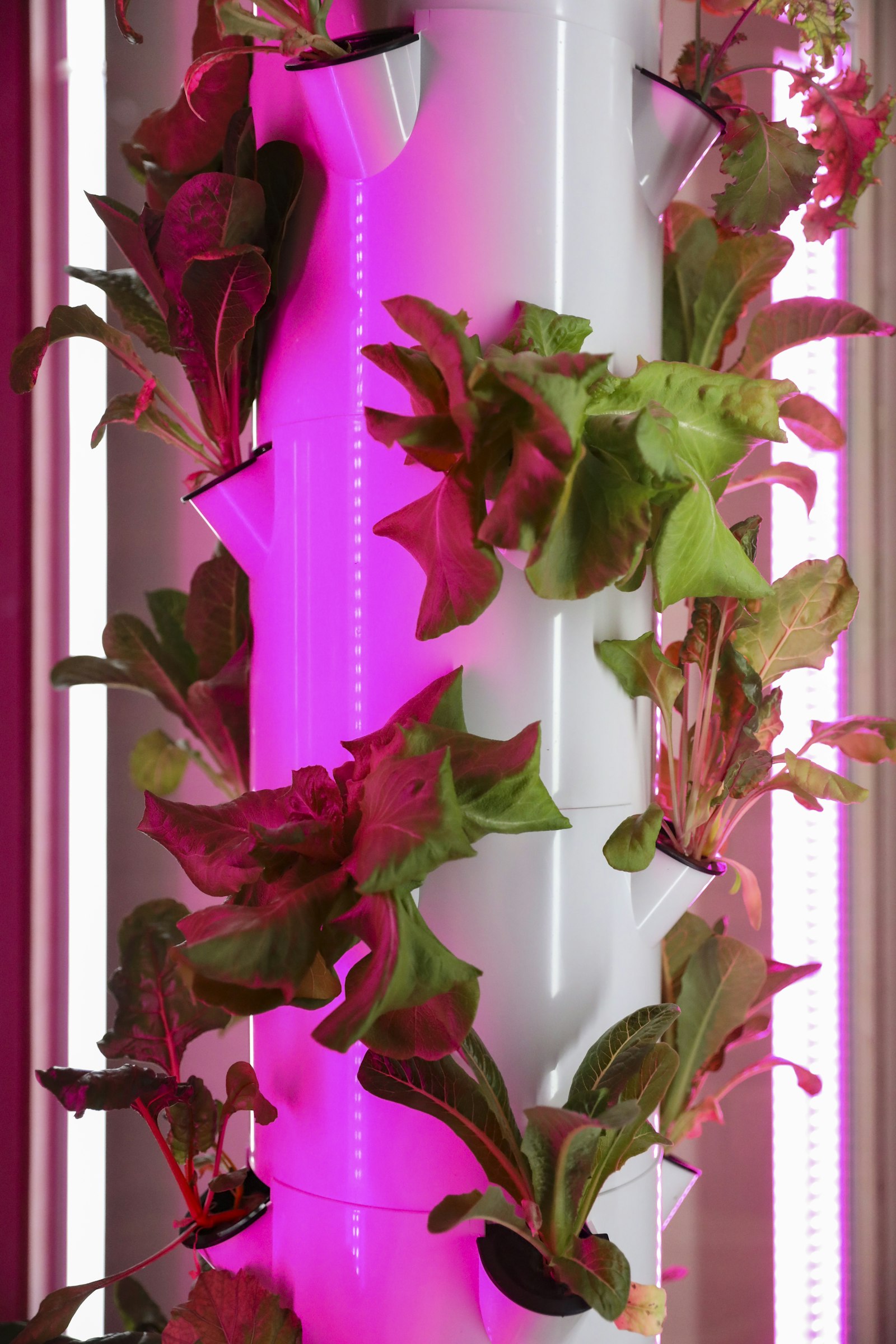
Growing salads and leafy greens in a tower
Lettuce is the queen of the hydroponic tower: fast, rewarding and undemanding. We take you from seed to crisp head—EC, pH, spacing, cut-and-come-again, and how to stop premature bolting.
 🥬 Plants & seeds
Herbs in hydroponics (basil, parsley, mint…)
Fresh basil, parsley and mint within arm's reach, all year round. We cover germination, EC and pH per herb, pinching for bushiness, and a harvest that returns week after week.